The power of a brand guide

The real test of a new visual identity starts after launch. In our projects, developing a strong identity is one challenge, but ensuring it is applied consistently for years by different people, agencies and channels is at least as decisive.
That is where a brand guide proves its value. It translates the choices behind an identity into a system others can apply independently. At the same time, that system cannot freeze what was once designed, because brands encounter new applications, technologies and contexts that did not exist when the identity was created.
Recognition is built through application
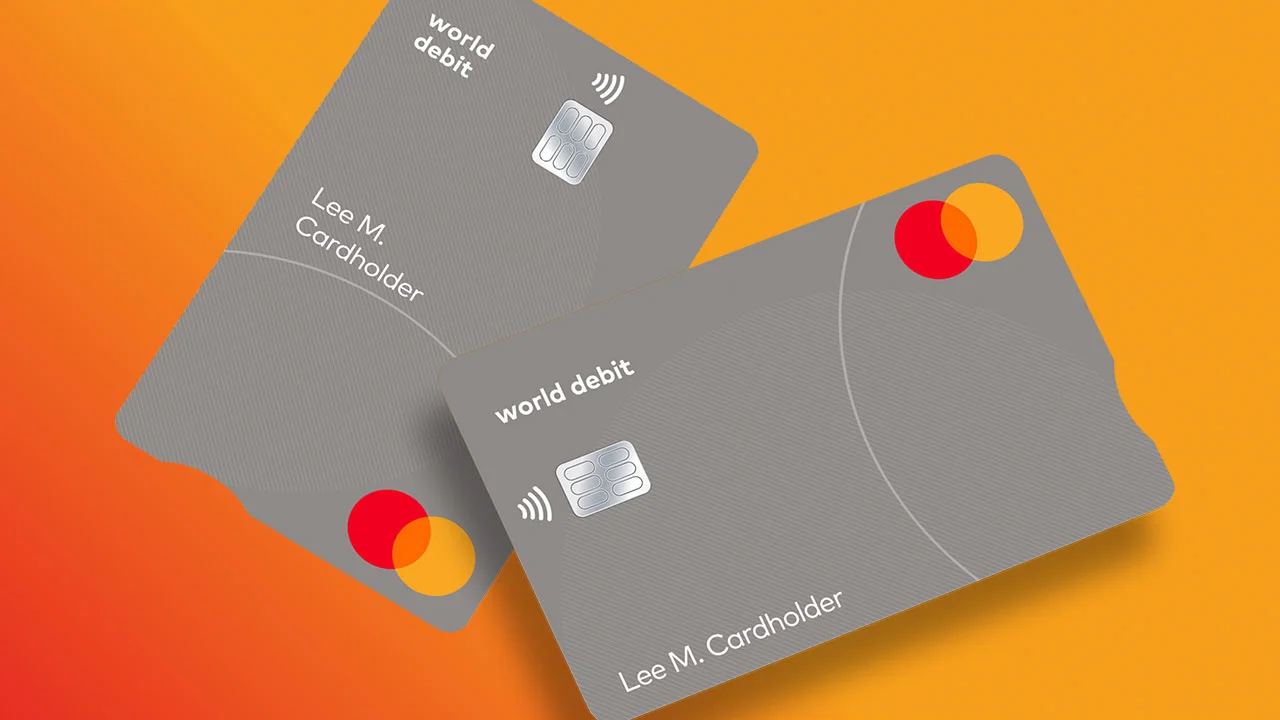
Mastercard shows what long-term consistency can achieve. Its interlocking red and yellow circles have been a recurring element of the identity since 1966. When Mastercard removed its name from the mark in selected applications in 2019, the company reported that more than 80 percent of people spontaneously recognised the symbol without the word Mastercard.
That recognition does not come from the design of the circles alone. It is the result of decades of consistent application.
That is also the strategic role of brand guidelines. They safeguard how colours, shapes, typography, tone of voice, photography and other brand elements recur consistently enough to build recognition. Each exception may seem minor on its own. Accumulated over time, they can slowly erode the distinctiveness of a brand.
A brand guide must keep answering new questions
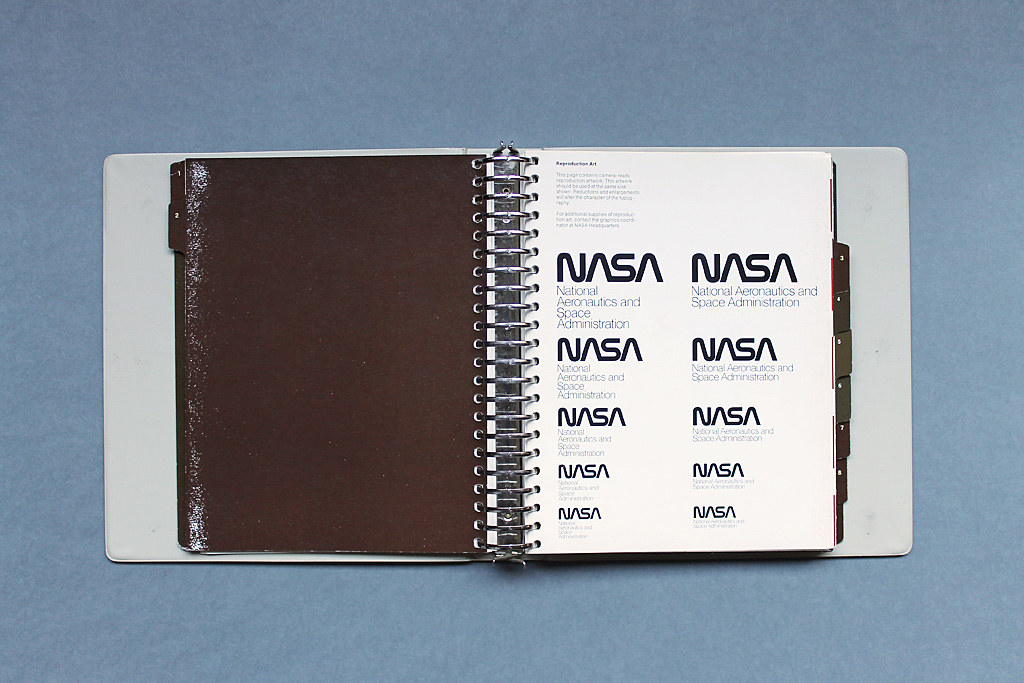
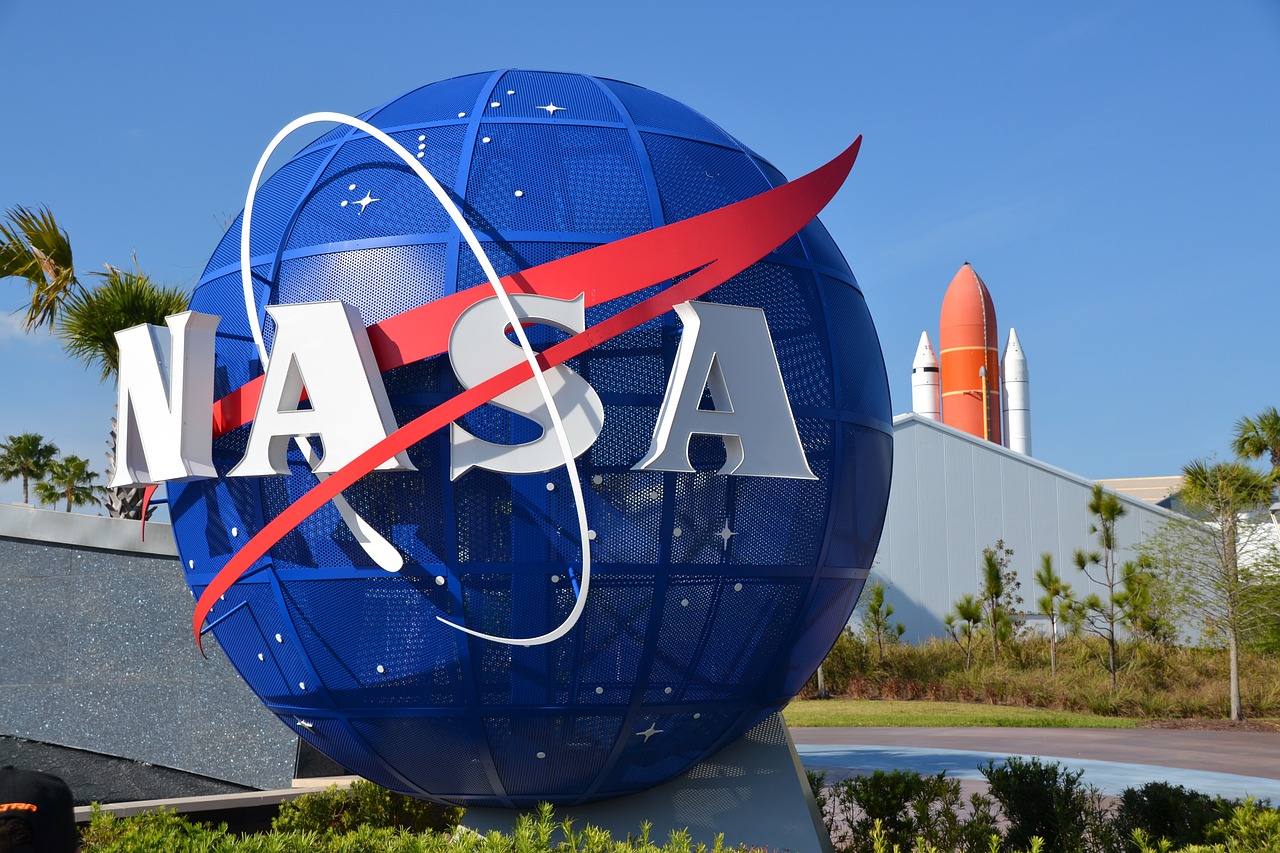
That does not mean the same rules remain useful indefinitely. A striking example is the Graphics Standards Manual NASA introduced in 1976 around its new red “worm” logotype. The guide specified in detail how NASA appeared across publications, signage, vehicles and spacecraft, bringing a particularly broad range of applications into one visual system.
But NASA does not simply continue to use the same brand guide today. The worm was replaced as the primary identity by the older round “meatball” insignia in 1992. Since 2020, the worm has been used again. In NASA’s current guidelines, the meatball remains the official identifier while the worm has a supplemental role.
This shows what good brand guidelines should allow: an identity to evolve without erasing the recognition it has already built.
Updating is different from starting over
New digital formats, motion, accessibility, international growth or simply new applications can expose gaps in an existing guide. When teams repeatedly need to invent the same exceptions, that is often a signal that the guidelines themselves need to be extended.
Such an update does not require a new identity. The first question remains which elements have already built recognition and brand equity. Those deserve continuity. New guidelines should then clarify how they continue to work in changed conditions, following the same principle we use when assessing how far a brand identity should evolve.
A brand guide is therefore never final. The strongest version maintains enough discipline to build recognition and enough flexibility for the system to grow with the brand.