Brand Strategy
Brand strategy is a series of decisions: which brands to build, how to position them and how to structure a portfolio that grows without losing coherence.
Companies come to Remarkable when complexity increases. After an acquisition, when a portfolio has grown faster than its structure, or when international expansion raises new questions about which brand leads.
Brand Architecture
A brand portfolio rarely develops according to plan. Acquisitions, product launches and international expansion add layers that were never designed to work together. Brand architecture brings structure to that complexity: a strategic decision about which brands to build, which to consolidate and which to retire.
Portfolio structure and hierarchy
We define the relationships between brands in a portfolio: which brand leads, which support the master brand, which operate independently and which can be consolidated. That structure has direct consequences for naming, brand identity and legal protection. We address all three.
Brand architecture after M&A
A merger or acquisition immediately raises questions about which brand survives, which is phased out and how the transition is managed. We help companies make those decisions quickly and strategically, so that complexity that can be resolved actually is resolved.
Brand Portfolio
When products, services or subsidiaries accumulate without a clear organising principle, the portfolio starts working against the company. Budgets fragment. Clients lose track of what each name stands for. Internal teams struggle to explain the offer consistently. Portfolio management at Remarkable covers the full scope: from analysis to rationalisation and long-term governance.
Brand audit
Before any portfolio decision is made, the current state must be understood. We analyse the strengths, redundancies, legal exposure and strategic gaps across a brand portfolio. The audit provides the foundation for every decision that follows.
Portfolio rationalisation
When a portfolio has grown beyond what the company can manage effectively, rationalisation defines what to keep, what to consolidate and what to phase out. The approach is always the same: strategic clarity, commercial pragmatism, legal defensibility.
Brand Positioning
Positioning is not a tagline or a mission statement. It is a strategic choice about what the brand stands for, who it serves and what makes it different from every alternative. We work on positioning when something has changed: when a company has grown beyond its original identity, when a merger creates a new entity that needs a clear direction, or when a brand needs to re-establish its relevance.
Brand DNA and positioning platform
We define the strategic foundation of a brand: its core values, its distinctive positioning and the principles that guide every brand decision that follows. This is not a creative exercise. It is the most consequential strategic document a brand can have.
Competitive positioning
Strong positioning requires a clear view of the competitive landscape. We combine stakeholder research and market analysis to identify where a brand can credibly claim a distinctive position and what it needs to hold it.
Rebranding
Rebranding is not a design project. It is a strategic decision that touches the name, the visual identity, the positioning and, in many cases, the legal trademark rights. Companies rebrand when the existing brand no longer fits: after a merger, following a major strategic shift, or when a name limits growth in new markets.
Rebranding strategy
Before any creative work begins, the strategic case must be clear: what needs to change, what needs to be preserved and how the transition will be managed without losing brand equity. At Remarkable, rebranding always includes a legal assessment of existing trademark rights and the new direction.
Brand change process
A successful rebrand requires alignment before, during and after the transition. We guide the process from strategic decision to launch, with particular attention to internal communication, legal protection of the new name and ensuring the market understands what has changed and why.
Featured cases



Anacura
Brand Strategy
,
Naming & Brand Identity
,

KBC
Brand Strategy
,
Naming & Brand Identity
,

Daikin
Brand Strategy
,
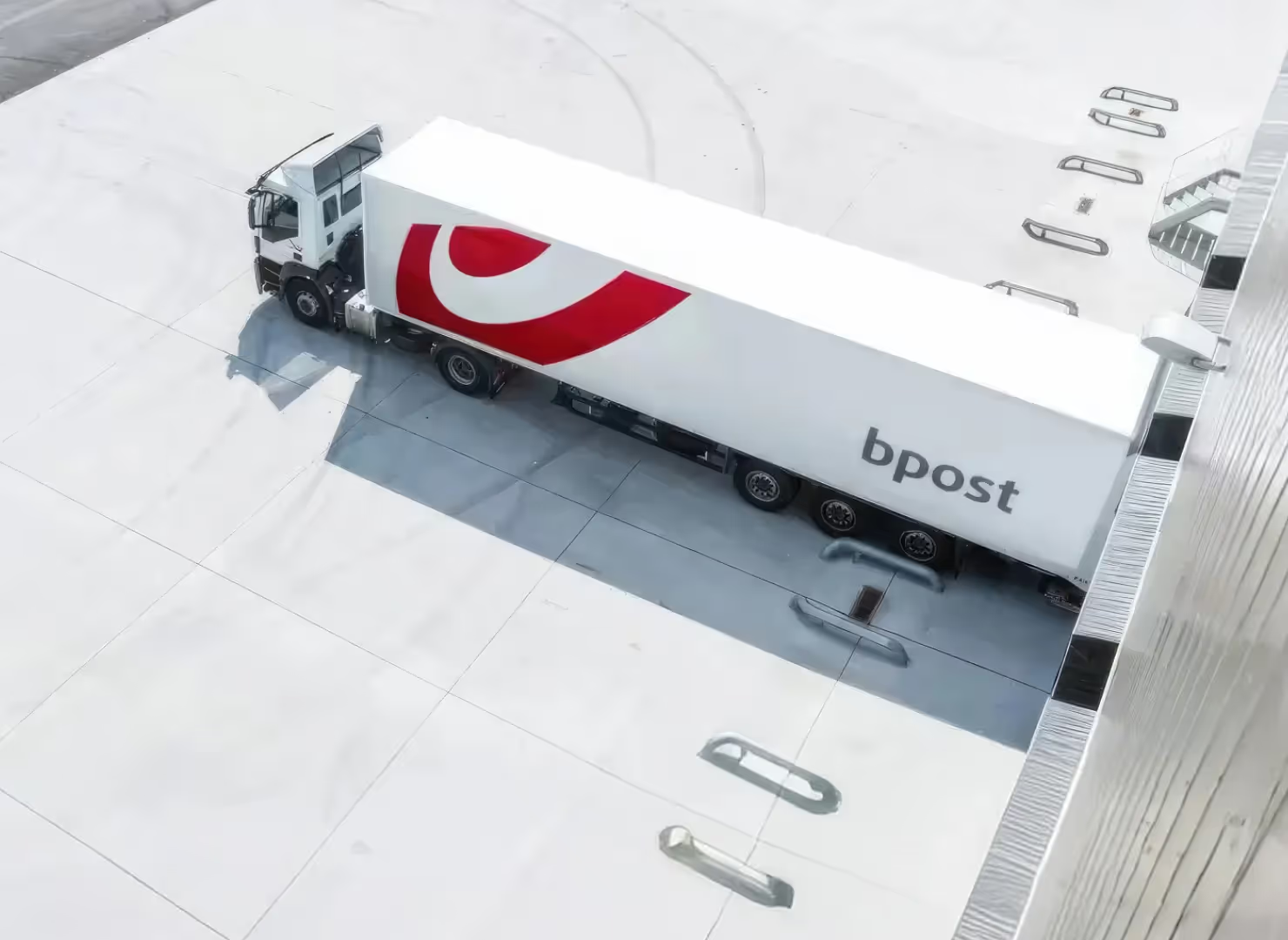
bpost group
Brand Strategy
,
Legal Brand Protection
,

Aqualex
Brand Strategy
,
Naming & Brand Identity
,
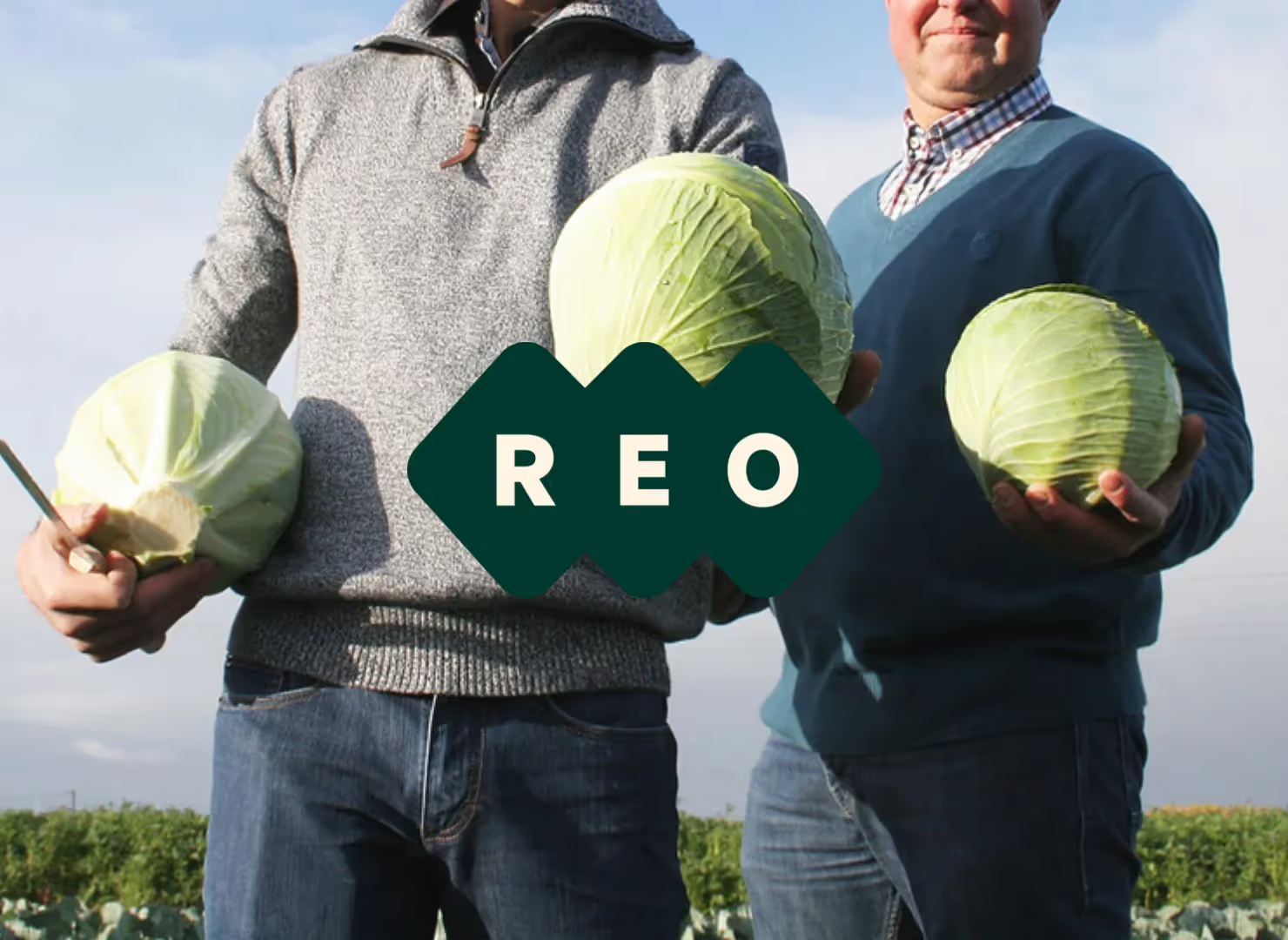
REO
Brand Strategy
,
Legal Brand Protection
,

Arvesta
Brand Strategy
,
Naming & Brand Identity
,

Acerta
Brand Strategy
,
Naming & Brand Identity
,
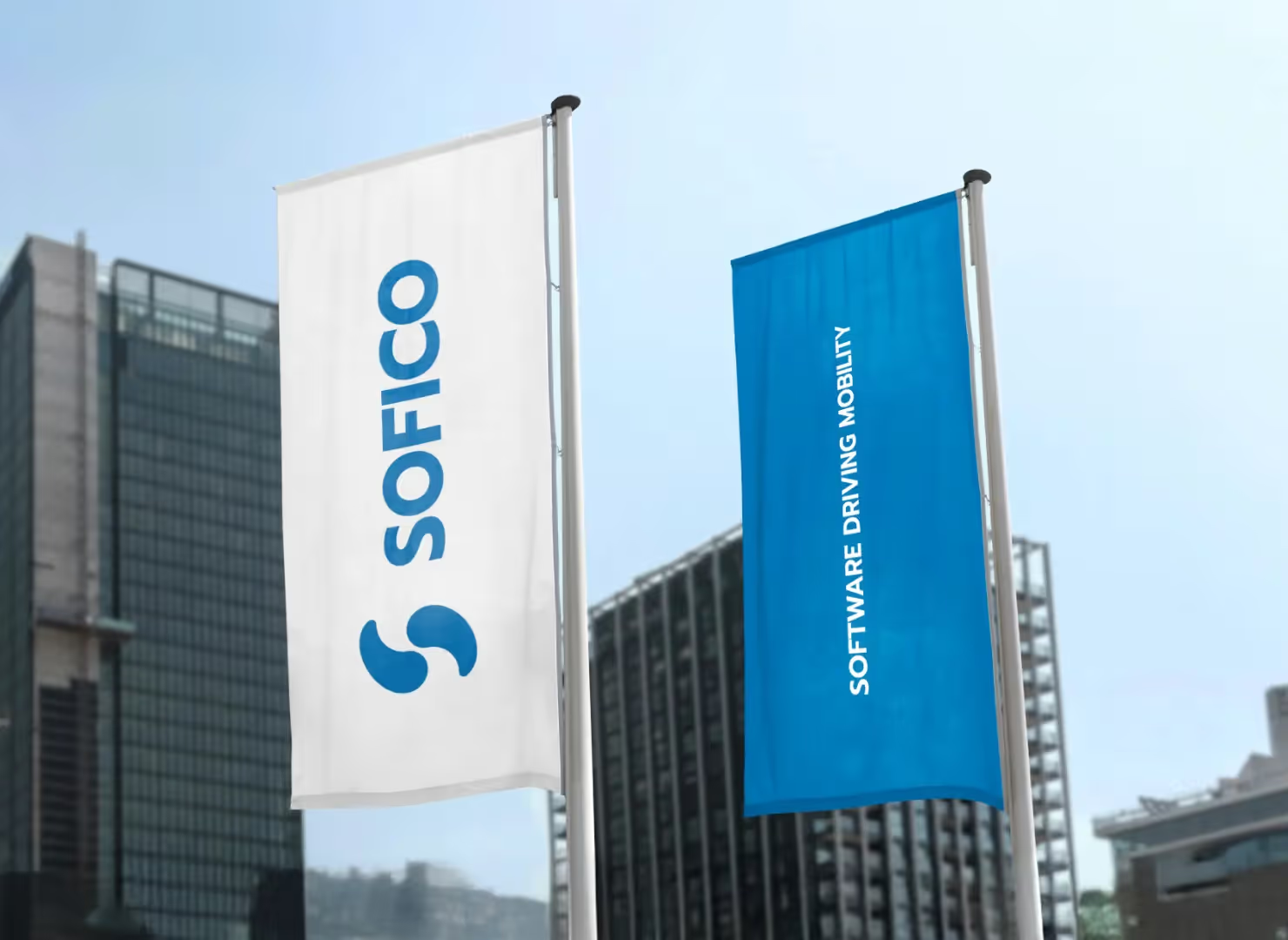
Sofico
Brand Strategy
,
Naming & Brand Identity
,

Liantis
Brand Strategy
,
Naming & Brand Identity
,
Legal Brand Protection
,

Milcobel
Brand Strategy
,
Naming & Brand Identity
,
Legal Brand Protection
,
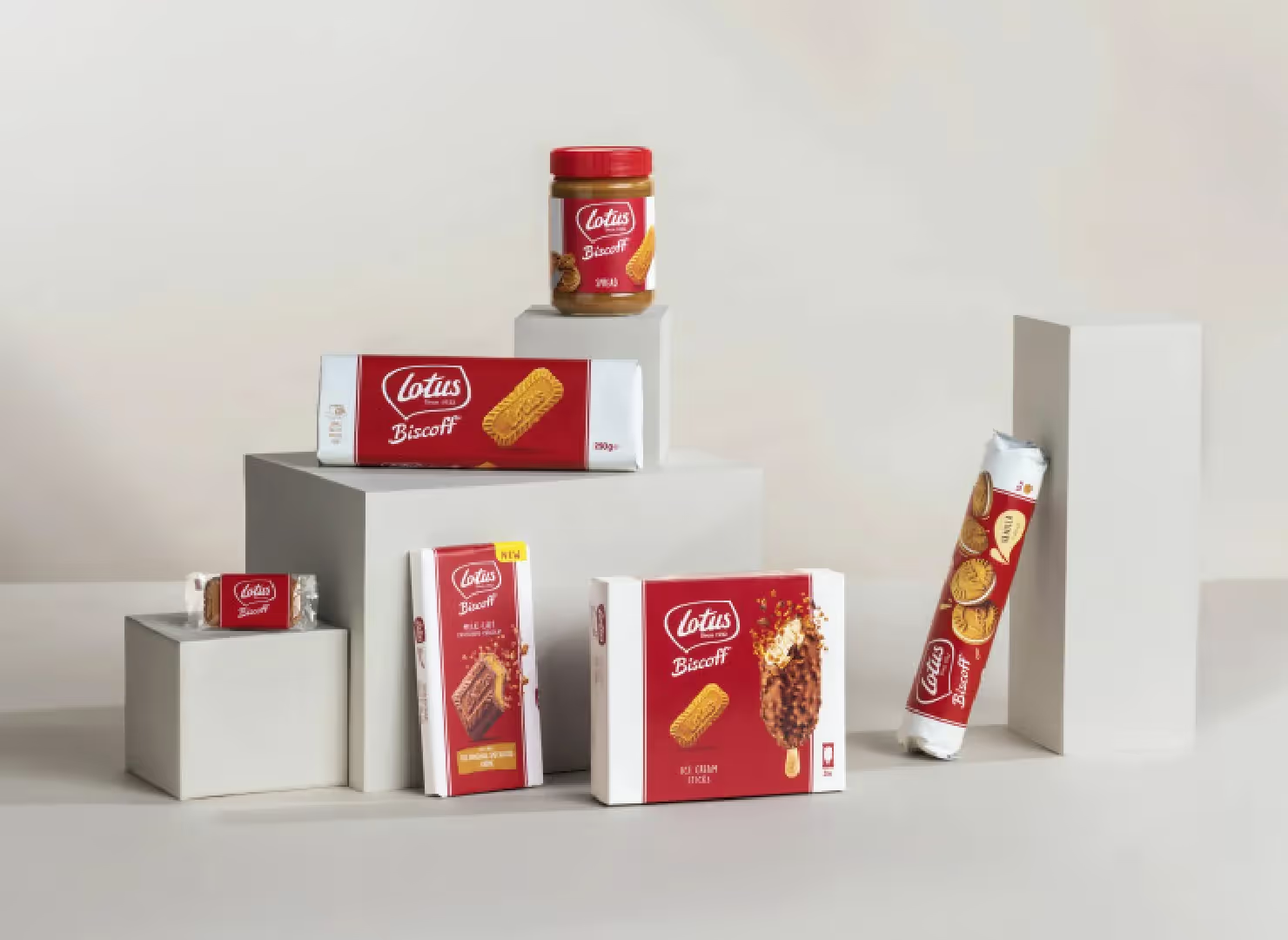
Lotus
Brand Strategy
,
Naming & Brand Identity
,

Orange
Brand Strategy
,

Greenyard
Brand Strategy
,
Naming & Brand Identity
,

Flamingo
Brand Strategy
,
Legal Brand Protection
,

Alpro
Brand Strategy
,

AZ Zeno
Brand Strategy
,
Naming & Brand Identity
,
Legal Brand Protection
,

Montea
Brand Strategy
,
Naming & Brand Identity
,
Legal Brand Protection
,
Belviva
Brand Strategy
,
Naming & Brand Identity
,

Smartphoto
Brand Strategy
,
Naming & Brand Identity
,
CLdN
Brand Strategy
,
Naming & Brand Identity
,
Legal Brand Protection
,
Nalu
Brand Strategy
,
Naming & Brand Identity
,
Laroy
Brand Strategy
,
Legal Brand Protection
,

Nutreco
Brand Strategy
,
Naming & Brand Identity
,

A076
Brand Strategy
,
Naming & Brand Identity
,
Legal Brand Protection
,

AG Insurance
Brand Strategy
,
Naming & Brand Identity
,

Belfius
Brand Strategy
,
Naming & Brand Identity
,
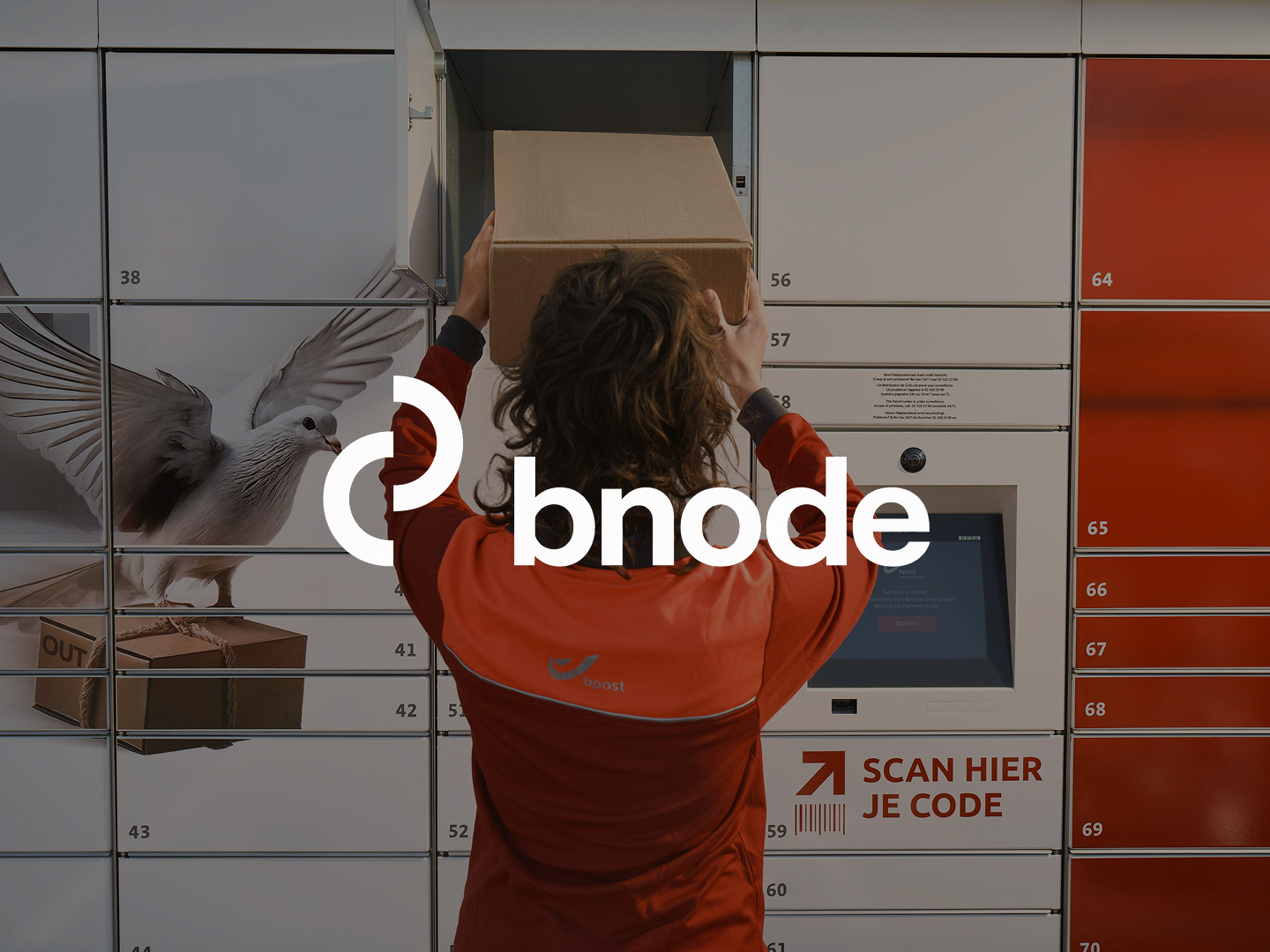
bpost | bnode
Brand Strategy
,
Naming & Brand Identity
,
Legal Brand Protection
,

Cegeka
Brand Strategy
,
Naming & Brand Identity
,
Frequently asked questions
What are the biggest pitfalls when developing a brand strategy?
Common pitfalls in brand strategy include unclear roles between the main brand and sub-brands, or brand names that are not legally protected, or changes to the visual identity without first defining the strategy and brand structure.
For REO, we have designed a clear brand architecture, with REO as the central parent brand and clear roles for the sub-brands. The Daikin case also shows how important it is to first bring structure to your brand architecture before embarking on visual renewal.
How do we involve employees and internal stakeholders in our brand strategy?
We engage employees and other stakeholders through interviews, workshops and analysis to understand their expectations and experiences. This ensures everyone shares the same understanding of the mission, vision and core message, creating a brand that’s genuinely lived from within.
At AZ Zeno, we spoke with staff across all campuses to understand their experiences and expectations. The resulting message, ‘Quality, close to home’, became a unifying story that builds trust externally and connection internally. Also at AG Insurance, we ensured employees embodied the new brand identity by involving them throughout the rebranding rollout and internal communication.
How do we ensure our brand strategy remains relevant in a changing market?
Through regular strategic audits, trend monitoring and flexible identity guidelines that allow evolution without losing essence. This keeps your brand relevant and authentic.
In the REO case, we refreshed their brand strategy with a clear architecture. Positioning REO as the parent brand while giving sub-brands and quality labels defined roles in a changing market. We also developed a forward-looking brand strategy for Flamingo, anticipating evolving market needs and supporting international expansion.
How do we translate our business strategy into a brand that is clear to clients and employees?
We turn your business goals, mission and vision into core values and brand promises, then translate these into visual identity and positioning that resonate with both customers and employees. For Sofico, we translated a technically specialised organisation's value to the public sector into a clear and credible brand identity that communicated both expertise and approachability. For CLdN, we translated the growth strategy of a leading European logistics group into one brand story and visual identity that united employees and customers across multiple markets.
How do we build a brand strategy that works internationally?
We combine market research, linguistic analysis, cultural perception and legal protection. Then we develop a strategy with positioning, naming and architecture that can be applied internationally including local adaptations where needed.
For Lotus, we merged naming development with market analysis to strengthen the brand’s international positioning. For Daikin, we refined the brand structure to ensure consistency across multiple European markets while allowing space for local accents.
How many brands do we really need within our organisation?
Start with an audit: which brands or propositions exist, how visible are they and where is there overlap? We help you determine which brands truly add value, to customers, reputation and distinctiveness, and which could be merged or streamlined. This saves costs and avoids confusion.
The REO case shows how we simplified their portfolio by restructuring sub-brands for greater clarity and impact. For Aqualex, we structured the product portfolio and simplified the naming system, giving each brand and sub-brand a clear role.
After a merger or acquisition, which brand should take precedence?
We analyse brand value, business objectives and target audiences to determine which name should be kept, integrated or retired.
In the AZ Zeno project, we brought several hospitals together under one name while maintaining local accents through sub-brands, preserving both recognition and local identity. For Liantis, we identified which name should lead the merger based on brand value and support.
How can we clarify our brand architecture after a merger or acquisition?
Mergers and acquisitions often add complexity. We map your brand portfolio so it’s clear which brand takes the lead, which sub-brands remain and which ones are merged or restructured.
For REO, we redesigned the brand architecture so REO became the overarching brand, with clear roles for sub-brands and quality labels. For Montea, we guided the transition from a national to an international brand structure, ensuring the new name and identity provided clarity after acquisitions and growth.
We use different brands and products together. When is our brand architecture sufficiently clear?
We evaluate your current brand structure on clarity, distinction between brands and sub-brands, consistency in visual identity and messaging, and how well your audience understands your brand promise. Through expert interviews and market comparisons, we identify where your structure can be strengthened.
See the AZ Zeno case, where we helped integrate various departments so identity and communication became one coherent experience. At Liantis, we united three organisations under one brand, creating clarity and structure throughout the brand architecture.
What guarantees consistency across all our channels?
A clear brand architecture, visual identity guidelines or a brand book ensure your brand remains consistent and recognisable across every channel, both online and offline.
In Arvesta's repositioning, we have captured that consistency by developing a strong identity that is supported both internally and externally. Also for CLdN, we created a unified visual identity under one flag, applied consistently across all communication and transport touchpoints to keep the brand recognisable everywhere.




Sign up with your email and we’ll send you our latest whitepaper straight to your inbox.