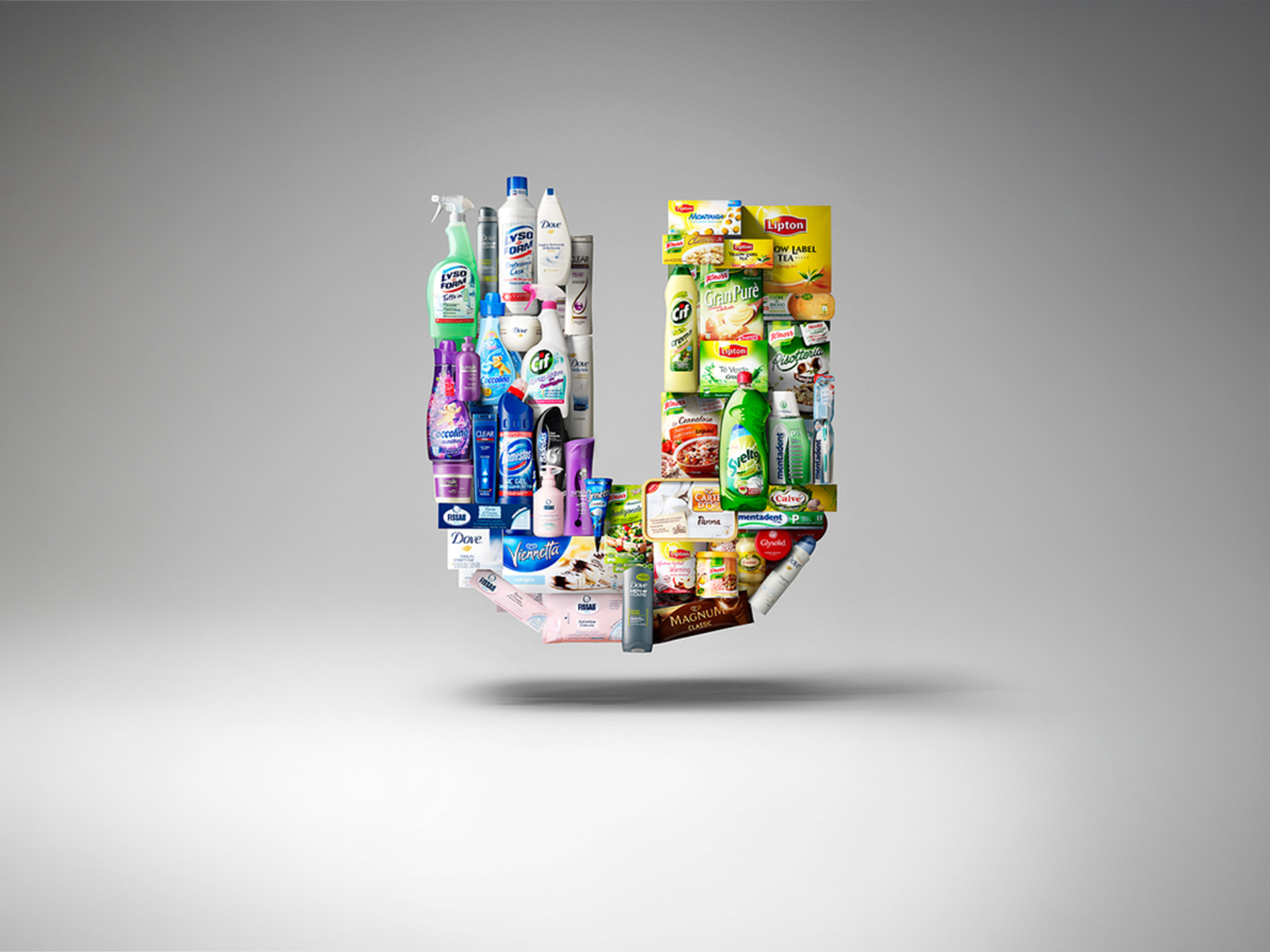
The comeback of distinctive brand assets
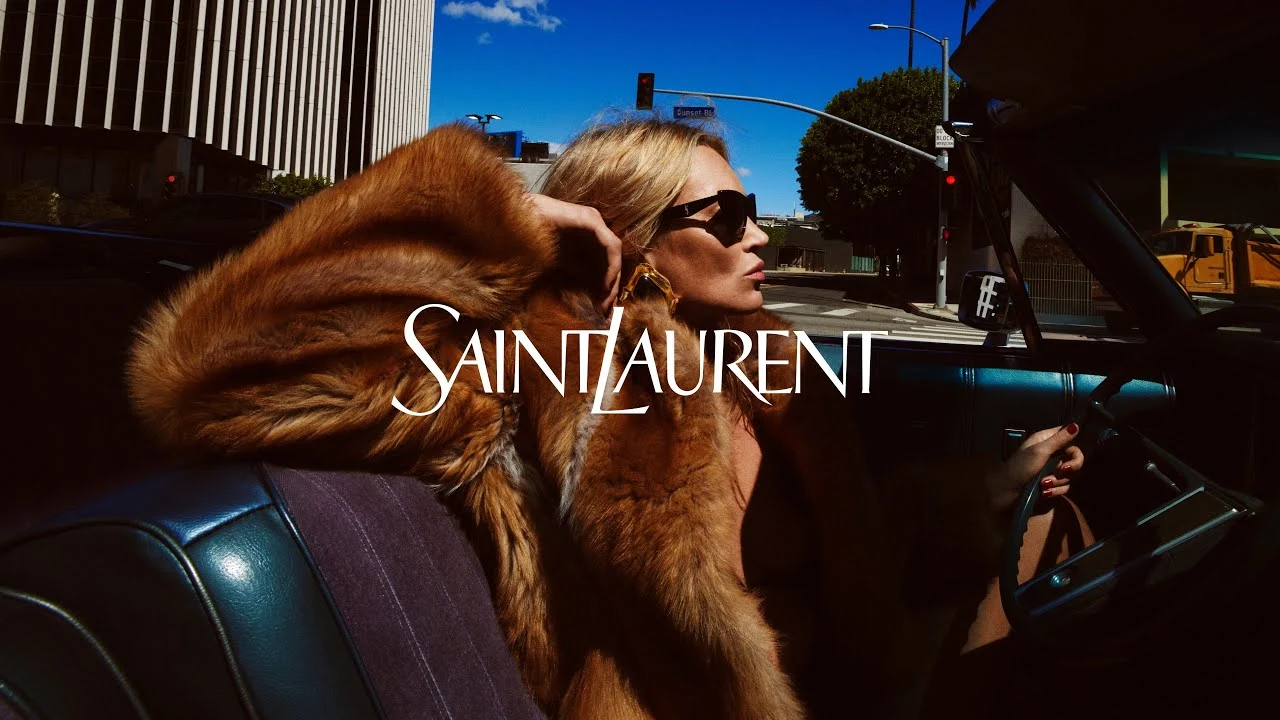

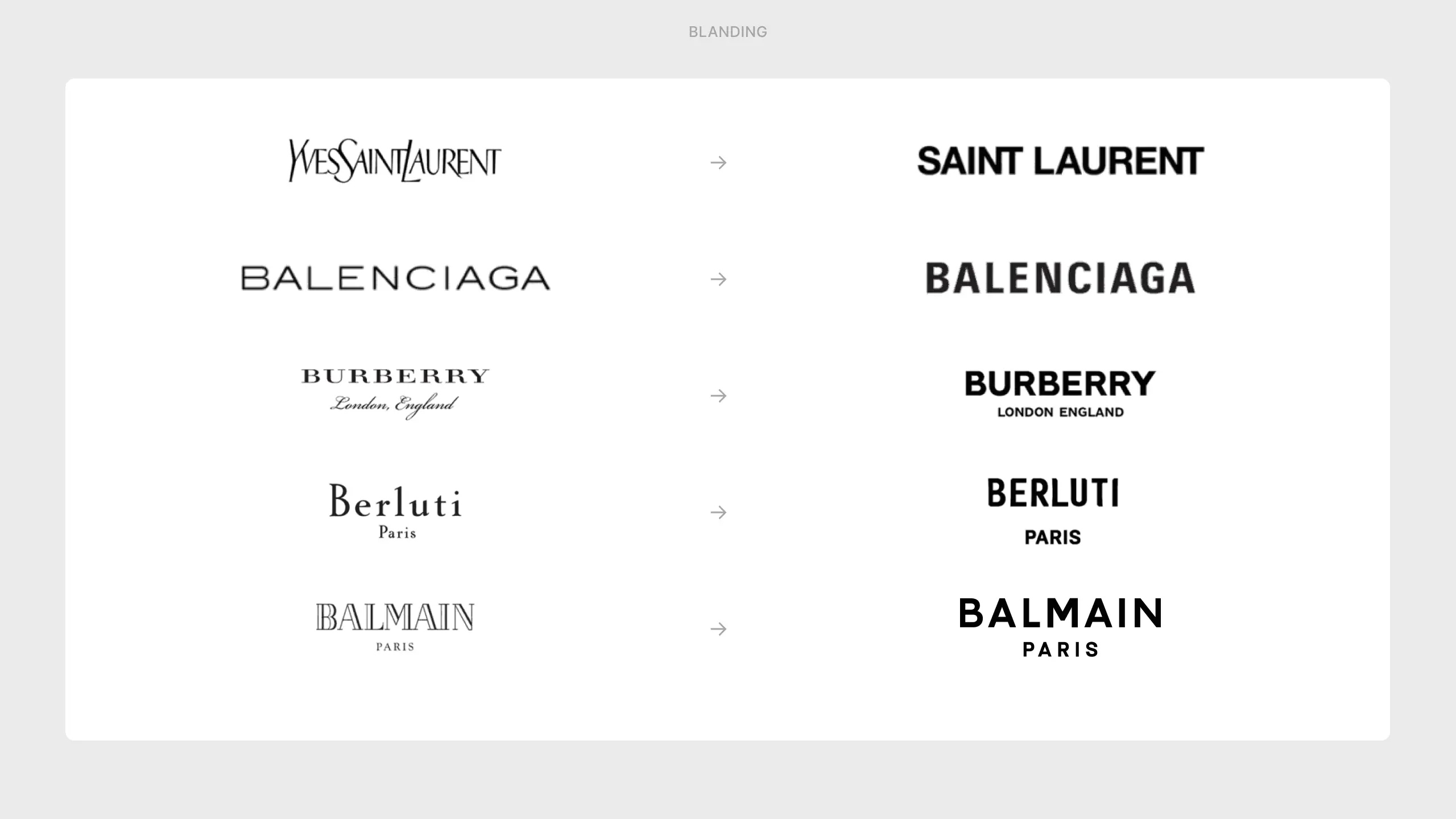
For years, modernising a brand identity often meant simplifying it. This was especially visible in luxury, where distinctive typography, emblems and other recognisable elements increasingly made way for restrained wordmarks and cleaner visual systems. Saint Laurent, Balenciaga and Balmain therefore began to look noticeably more alike.
This is often described as blanding: brands rely so heavily on the same category codes that part of their own character disappears.
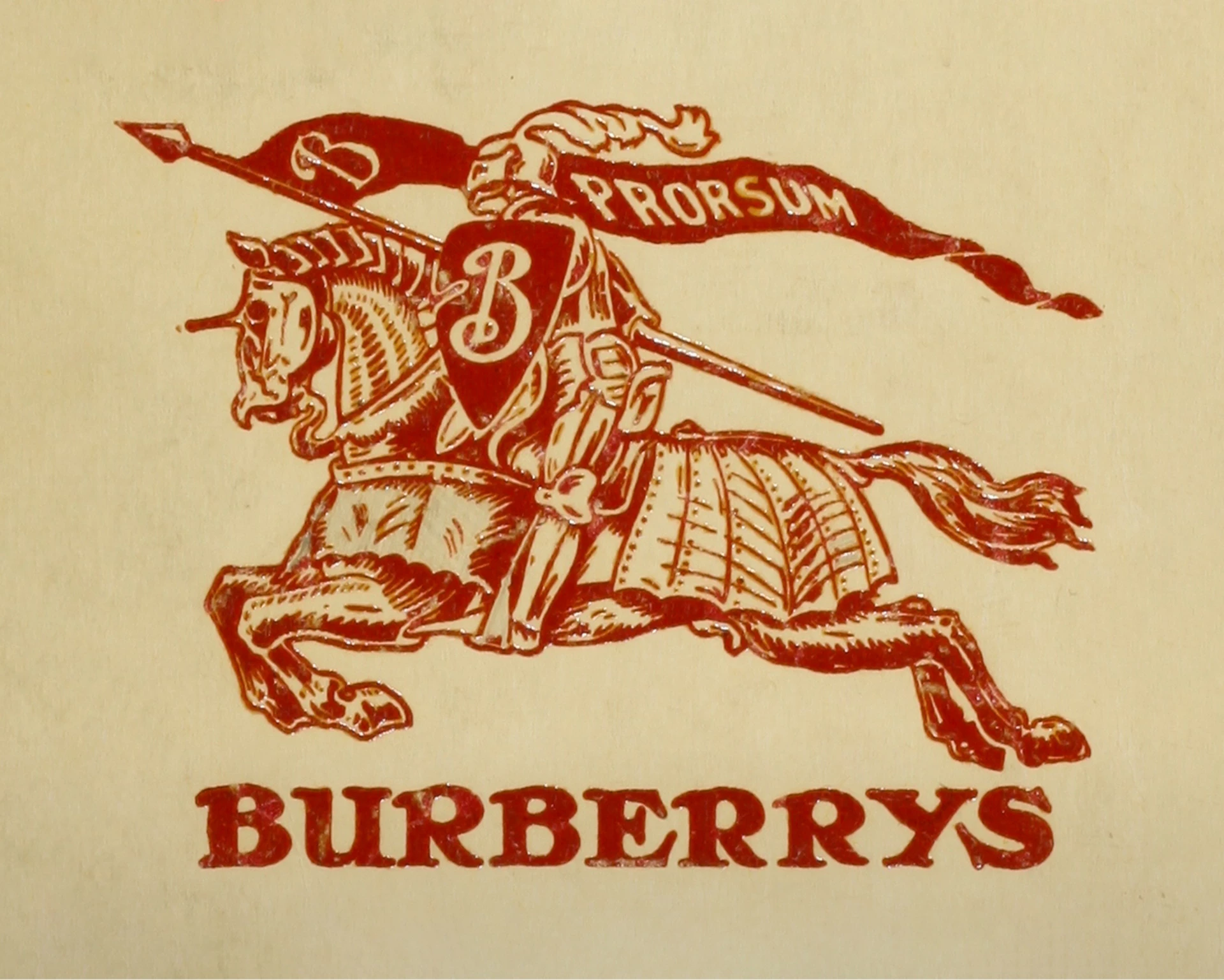
Today, the picture is less clear-cut. Some luxury brands are bringing their own visual codes back to the foreground. Burberry has again made the Equestrian Knight Design a visible part of its identity. Saint Laurent still uses the Cassandre YSL monogram and has recently used typography inspired by Cassandre's 1961 design.
That makes the discussion around blanding more interesting. If brands first move closer together and later bring back more of their own codes, the question becomes where the distinction was lost along the way.
The category can quietly start writing the brief
Modern. Premium. Human. Accessible. International. Timeless.
These are all reasonable ambitions, but they give a creative team little direction when competitors use almost the same words. Benchmarking can make that effect stronger. Banks look at how trust is expressed in financial services. Luxury brands study the codes of exclusivity. Technology companies look at how simplicity and innovation are shown in their category.
Category codes have a role. They help people quickly understand what kind of brand they are looking at. But the more generic the strategy, the greater the chance that the design becomes generic too. When strategy makes too few clear, brand-specific choices, creativity has less distinctive material to build on. The category then starts to shape the outcome.
Distinctive brand assets are regaining ground
Burberry shows why that matters. In 2023, the brand brought the Equestrian Knight Design back into a more prominent role. The origins of the emblem go back to around 1901. Saint Laurent shows that this does not require a complete return to the past. Its clean wordmark remains, while the Cassandre monogram and typography inspired by the 1961 design add extra recognition.
Not every old element is automatically a distinctive brand asset. To work as one, an element needs to be strongly and recognisably linked to one brand. That connection gives the asset value as a source of recognition and distinction.
Strategy gives design something to build on
In our approach, brand identity follows positioning and brand strategy. Strategy gives direction: what role should the brand play, which associations should it build and which qualities are specific enough to develop creatively?
Origin, product, culture, history and existing brand equity can offer much richer material than broad words such as premium or innovative. Strategy also makes clear which directions do not fit the brand. It does not dictate design. It gives the creative process a more distinctive starting point.

Brand heritage is not required for distinction
Liquid Death shows that a brand does not need decades of history to stand apart. Many water brands build around nature, purity, health and calm. Liquid Death chose a very different route. Its provocative name, skull, tall aluminium cans and humour feel closer to beer branding than to traditional bottled water.
The same principle can be seen in Nalu, the Coca-Cola energy drink for which Remarkable developed the name. While classic energy drinks often rely on aggressive, performance-driven codes, Nalu was built around a fresher, more positive idea of energy. The expression is very different from Liquid Death, but the strategic logic is similar: decide which category codes to use and which to leave behind.
Burberry and Saint Laurent can build on existing brand codes. Liquid Death and Nalu had to create their own contrast with the category. In each case, visual and verbal distinction starts with choices that could not just as easily belong to five competitors.
If the search for distinction only starts during design, it starts too late.