When a dormant brand wakes up
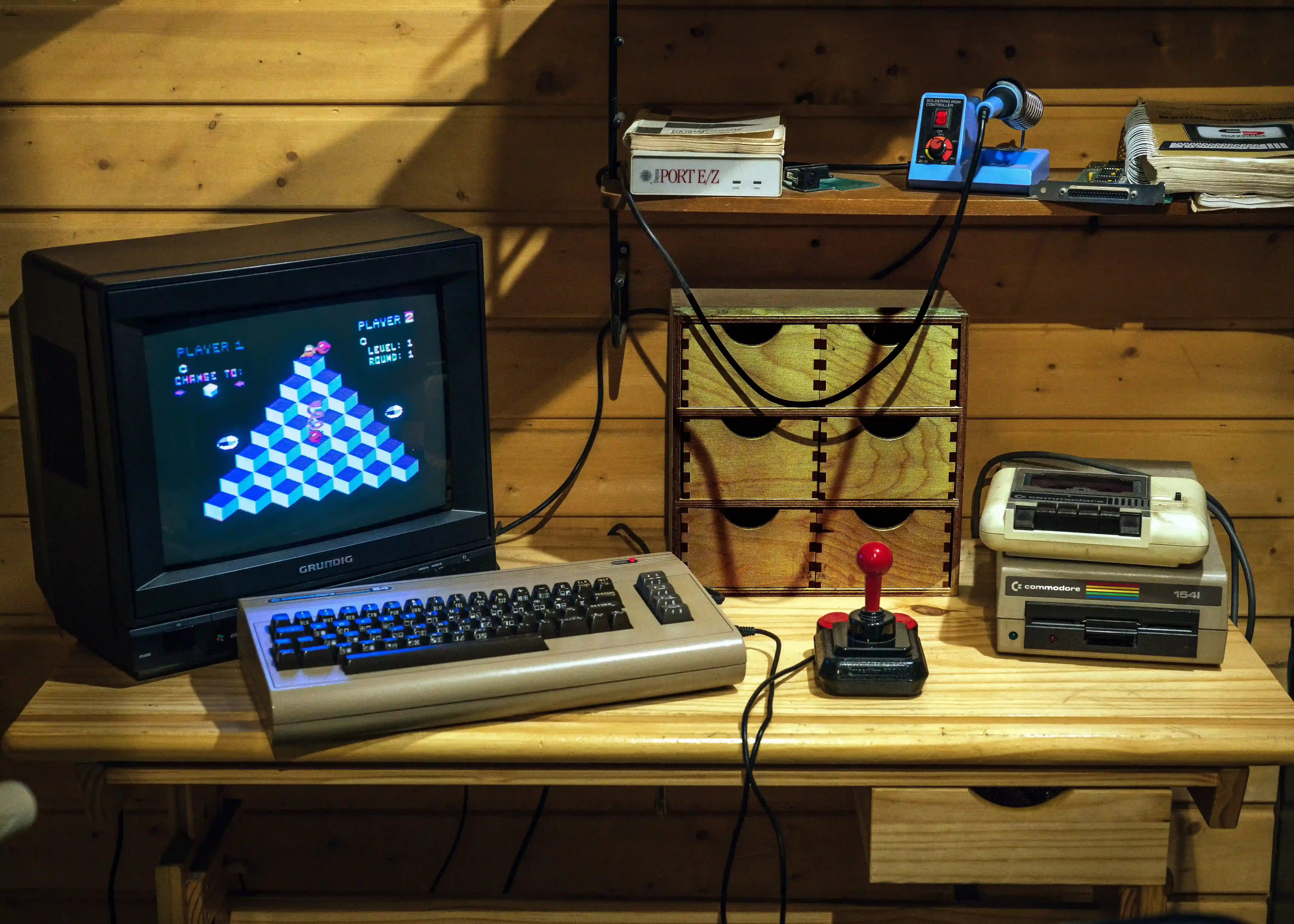

A brand can remain in the collective memory for decades while the legal position behind it changes. That is visible today with Commodore. The name and the familiar C= logo are still widely recognised, but legally it is unclear who may use them today, for which products and in which markets.
Recognition from the past is not enough to simply bring a dormant brand back to market. Before relaunching it, companies need to know which rights still exist, who owns them and which rights third parties may have built up in the meantime.
The company disappeared, the brand name remained
The original company behind Commodore went bankrupt in 1994. The trademark rights did not disappear with it. They remained transferable assets and passed through several owners in the years that followed.
On 31 July 2025, Commodore International Corporation announced that it had fully acquired Commodore Corporation B.V. According to the company, the acquisition included the 47 remaining historical Commodore trademarks. The trademarks themselves are currently held by Commodore Corporation B.V., which is part of the new group.
Meanwhile, Italy-based Commodore Industries had also built up rights of its own. It relies, among other things, on registrations for C= Flag COMMODORE and says it has been using those marks for years.
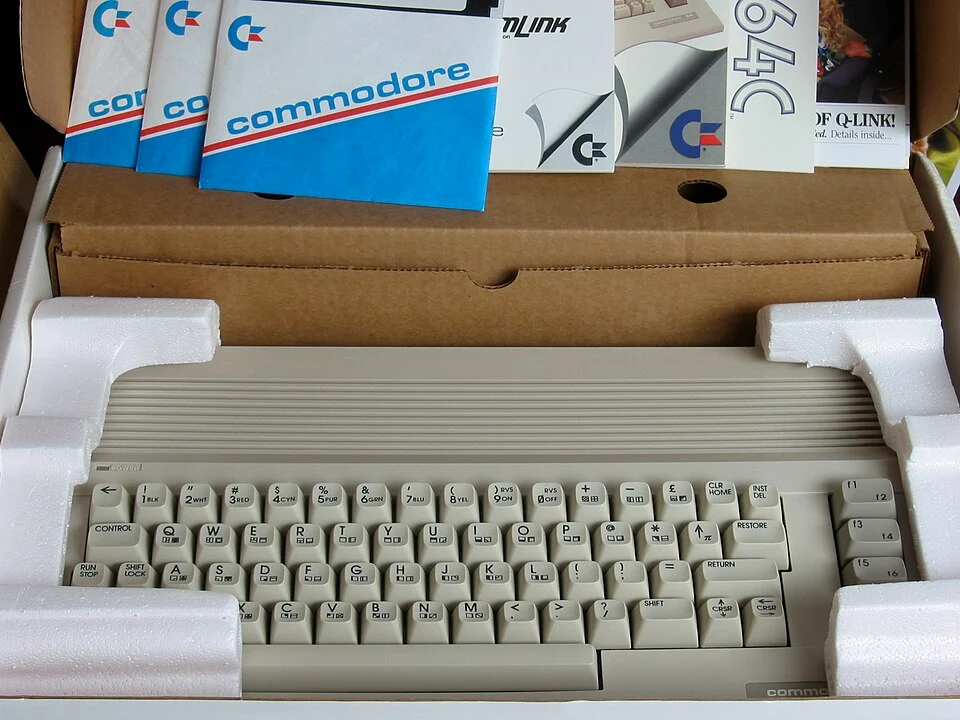
A trademark dispute without a simple reset button
In December 2025, Commodore International started legal proceedings against Commodore Industries. It argues that the Italian registrations were improperly obtained and are invalid. Commodore Industries defends the validity of its registrations and points to their use. As far as publicly known, there is no final ruling at the time of writing.
Who can ultimately claim the strongest rights therefore depends on more than who can point to Commodore’s history. Trademark rights are tied to specific registrations, owners, territories, goods and services, and to actual use.
That is precisely why trademark rights can fragment over time while the brand value itself remains largely intact.

A registered trademark still requires active management
Commodore had already encountered that reality before. In 2018, the General Court of the European Union considered the C=commodore figurative mark in revocation proceedings. The case concerned, among other things, the absence of genuine use for certain goods and services. The Court partially annulled the decision of the EUIPO Board of Appeal because the reasons put forward for non-use had not been sufficiently assessed.
A trademark registration does not fix a legal position forever. Registrations need to be renewed, the correct owner needs to appear in the registers, and genuine use must be demonstrated where required.
Trademark monitoring is part of that process. When third parties file new, potentially conflicting marks, the holder of earlier rights must assess in time whether action is needed. Legal Brand Protection therefore does not stop at registration. It requires continuous management of the full trademark portfolio.
Do not let your brands go into sleep mode
This becomes especially important during an acquisition, restructuring or relaunch. At that point, companies need to look not only at the commercial value of a brand, but also at the rights that legally support that value.
The Commodore situation makes that particularly visible. A strong brand can remain recognisable for decades, even when the company behind it changes or disappears. But accumulated brand value does not in itself guarantee that the same legal room to act will still exist later.
A brand may sleep commercially. The trademark portfolio behind it must remain actively managed. Only then does the room remain to reactivate that brand value later.


.webp)



