A famous name is not automatically a strong trademark
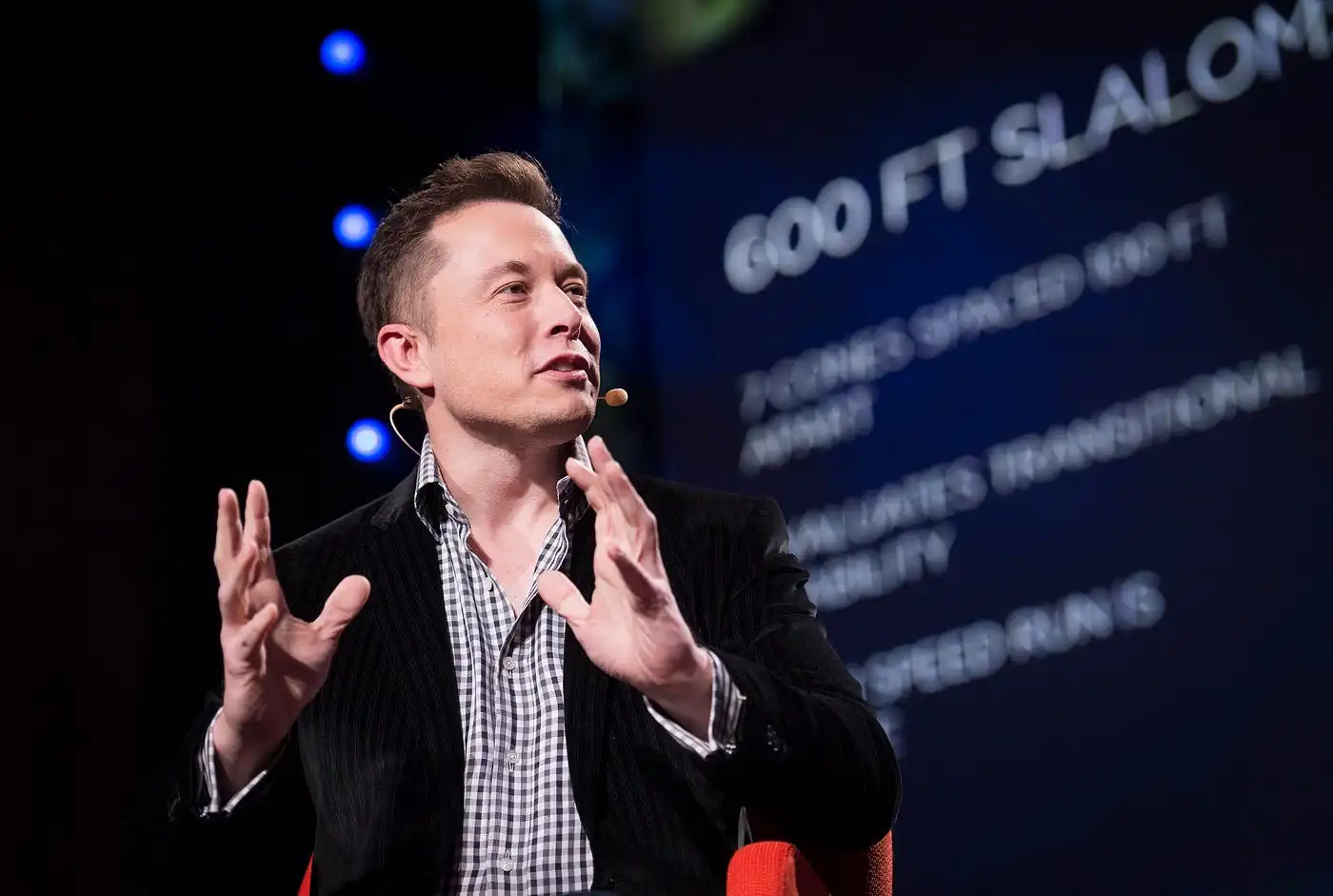

When a trademark touches on a famous name, the association can seem obvious. Elon? Musk. Elton? John. George Orwell? 1984. Yet in trademark law, fame does not automatically result in a stronger legal position.
Two recent European cases show why. In the George Orwell case, the fame of the name actually worked against its trademark registration. In the case involving ELON and ELTON, meanwhile, the fame of Elon Musk and Elton John was not enough to rule out a likelihood of confusion. The same factor, but a very different legal outcome.
When fame works against a trademark
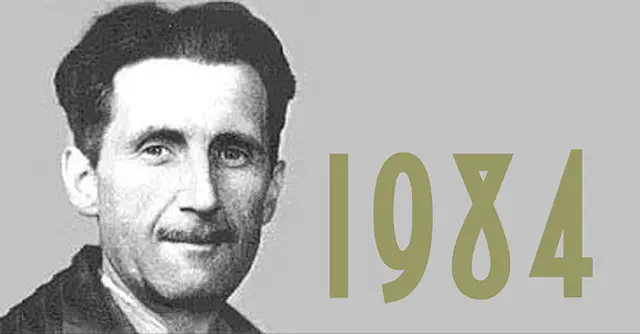
The party behind the GEORGE ORWELL application was The Estate of the Late Sonia Brownell Orwell, the estate of George Orwell’s second wife. It applied to register GEORGE ORWELL as an EU trademark for goods and services including books, digital media, films and educational services.
In December 2025, the Grand Board of Appeal of the EUIPO confirmed the partial refusal. For certain goods and services, the relevant public would primarily understand George Orwell as a reference to the author and to the subject matter or content of those products and services, rather than as an indication of commercial origin.
For those goods and services, the name was therefore considered descriptive and devoid of distinctive character.
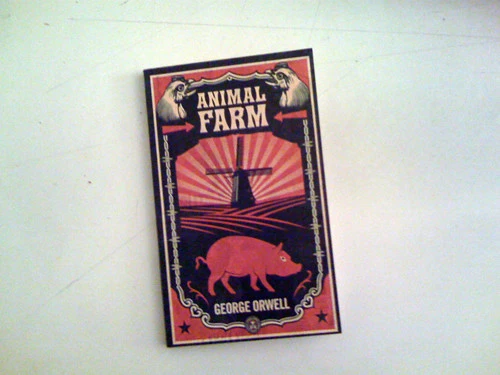
The same reasoning was applied in May 2026 to Animal Farm and 1984, two of Orwell’s best-known works. For various content-related goods and services, these titles would primarily be perceived as references to the literary works and their themes, rather than to a single commercial origin.
The GEORGE ORWELL case is not yet final. An appeal against the decision was lodged with the General Court of the European Union in February 2026 and is currently still pending.
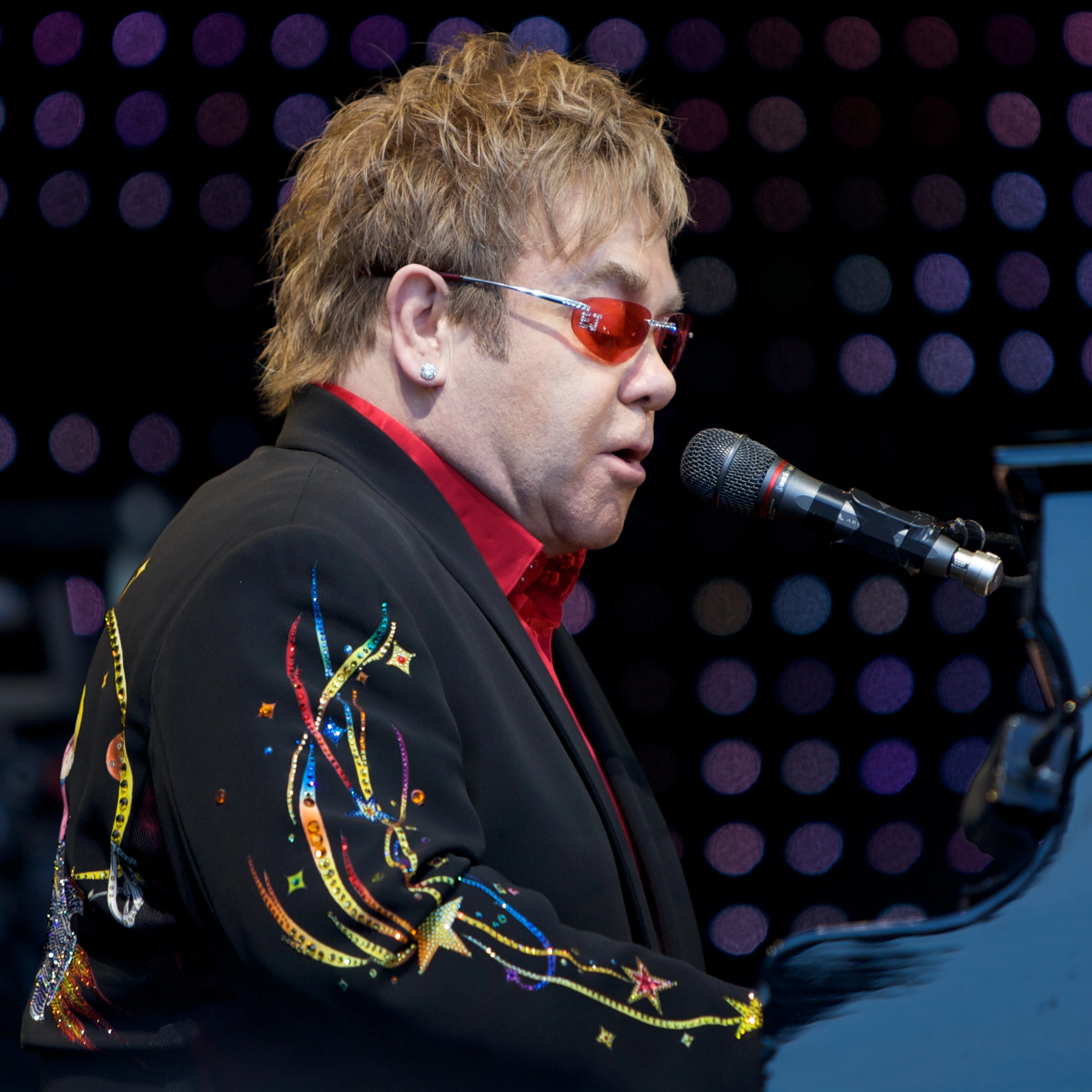
Elon does not automatically mean Musk
In the case involving ELON and ELTON, fame played a very different role.
Universal Brand Group, a South African company, sought to register ELTON as an EU trademark for goods including coffee machines, systems for preparing hot beverages and coffee beans. Elon Group opposed the application. The Swedish retail group sells household appliances and other products for the home and owns the earlier ELON trademark.
The General Court found ELON and ELTON sufficiently similar from a visual and phonetic perspective. The additional letter ‘t’ and the limited graphic stylisation of ELTON did not alter the overall impression enough.
Universal Brand Group argued that ELON would immediately evoke Elon Musk, while ELTON would evoke Elton John. The two signs would therefore have clearly different conceptual meanings.
The General Court did not accept that argument. The fact that Elon Musk and Elton John are famous was not enough. It had to be shown that the relevant Swedish public would also spontaneously make those associations in relation to the goods concerned.
George Clooney was cited as a comparison. His association with Nespresso is not merely the result of his general fame, but of years of targeted advertising campaigns centred on coffee. No comparable product-specific association had been demonstrated for Elon Musk or Elton John.
Famous to whom, and for what?
Both cases show that fame does not have one fixed meaning in trademark law.
A famous personal name may be more difficult to register when the public primarily perceives it as describing the content or subject matter of the goods or services. Conversely, general fame is not necessarily enough to conceptually distinguish two similar trademarks.
What matters is therefore not how famous a name is in general, but how the relevant public perceives that name in relation to the specific goods and services concerned.
This makes brand protection inherently context-dependent. It is not only the brand name that matters, but also the relevant public, the product category and the way the name is used in the market.