When does a brand deserve a new look?
.webp)

New Vans on your feet, a refreshed Instagram on your smartphone and AO76 for a new outfit. It is not only schoolchildren who are ready for the first day of school. These three brands are also starting the new season with a renewed identity.
Instagram launched an updated visual identity this summer. Vans reconsidered how its visual system works, while AO76 recently introduced Dressing Memories. Three very different changes that raise the same question: when is it time for a brand to evolve?
You can debate taste. Strategy is less subjective.
Almost every rebrand triggers the same discussion. Is the new logo better? Was the old one not stronger? Does that typeface really fit the brand?
Those reactions are inevitable. Visual preference is subjective, and everyone is entitled to an opinion. For companies, however, personal taste cannot be the decision-making framework.
A brand change first needs to be assessed objectively. What has changed in the strategy, offer, market or role of the brand? Which brand elements still support that new reality, and which no longer do?
Only then should the question become how the identity needs to evolve. That is why rebranding starts with brand strategy, not design.

Instagram changed because Instagram changed
When Instagram replaced its detailed retro camera with the simplified camera mark and gradient in 2016, the break was significant. So was the criticism.
Yet the strategic reasoning was clear. Instagram had evolved from a relatively simple photo app into a global social platform with video, Explore and an expanding range of applications. The old mark belonged to a brand reality that no longer existed.
Ten years later, Instagram is changing again, but much more subtly. The name and camera mark remain intact. The main evolution sits in the typography and broader visual system, while the gradient is used more selectively and flexibly.
That also reflects a strategic shift. Instagram wants to play a less dominant role itself. Creators and their content should take centre stage, with the brand acting more as a framework than as the main sender.
Whether the new typography looks better is therefore strategically secondary. What matters more is that both redesigns are proportionate to what changed behind the brand. In 2016, a larger break was defensible. In 2026, evolution is enough.
Vans did not need new assets
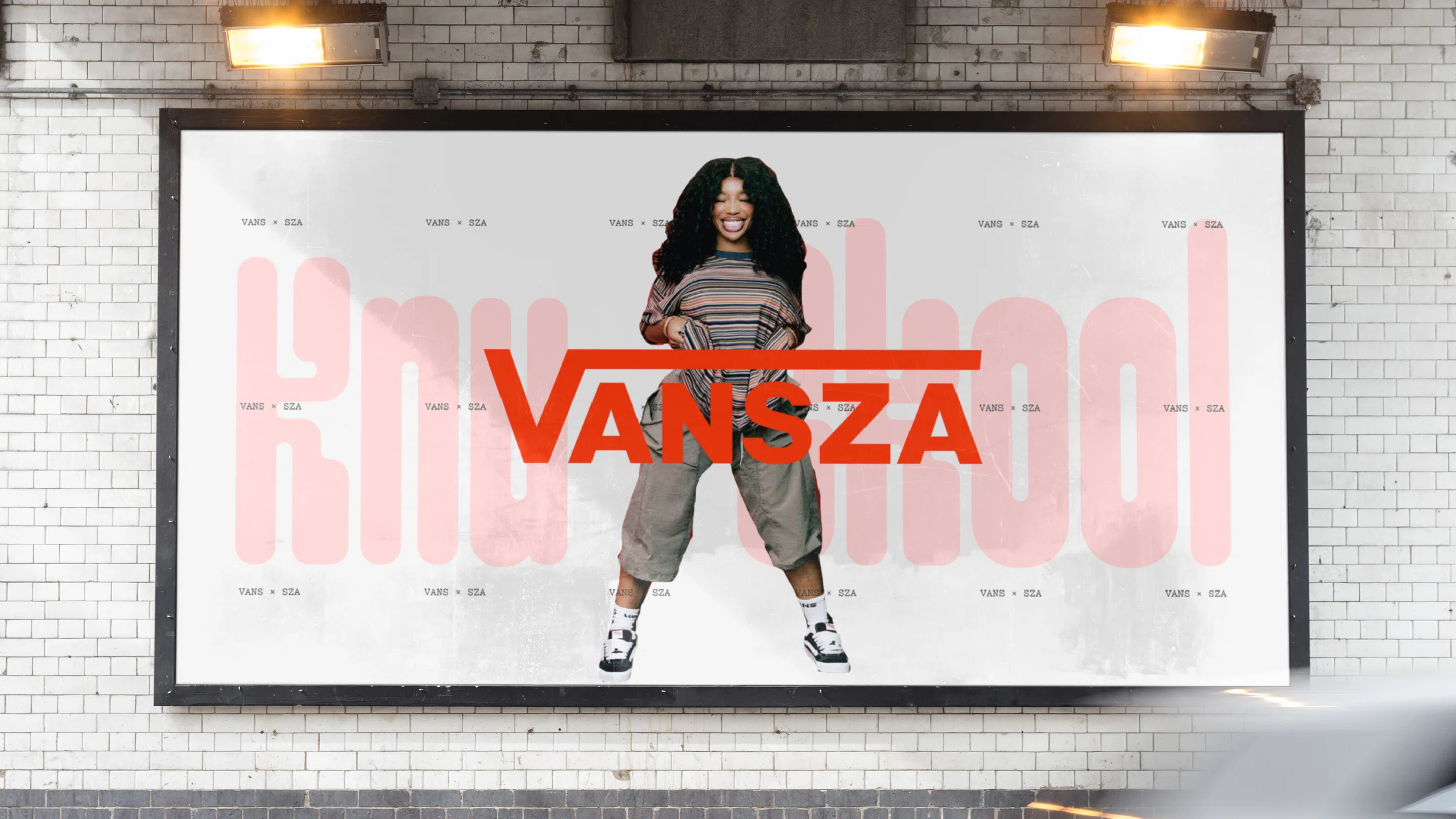
Vans faced a different challenge. The brand already had strong recognition cues: its logo, checkerboard pattern, characteristic shoes and long cultural history.
After years of different owners, periods and applications, however, the system around those assets had become fragmented. Vans therefore did not start by asking what needed to be newly designed, but by identifying what makes the brand unmistakably Vans.
The renewed identity creates more hierarchy within those existing assets. Some elements consistently carry recognition, while others deliberately leave more room for expression.
That distinction matters for any brand operating across multiple teams, audiences and applications. Consistency does not require everything to look identical. It requires clarity about what needs to carry recognition and what is allowed to move.
That is also why we define brand identity as a system: mark, colour, typography and graphic language working together, rather than a logo in isolation. Remarkable Europe
AO76: first the story, then the identity
At AO76, the change happened at another level. The objective was not to distance the brand from its existing character, but to define more sharply which story could support its continued growth.
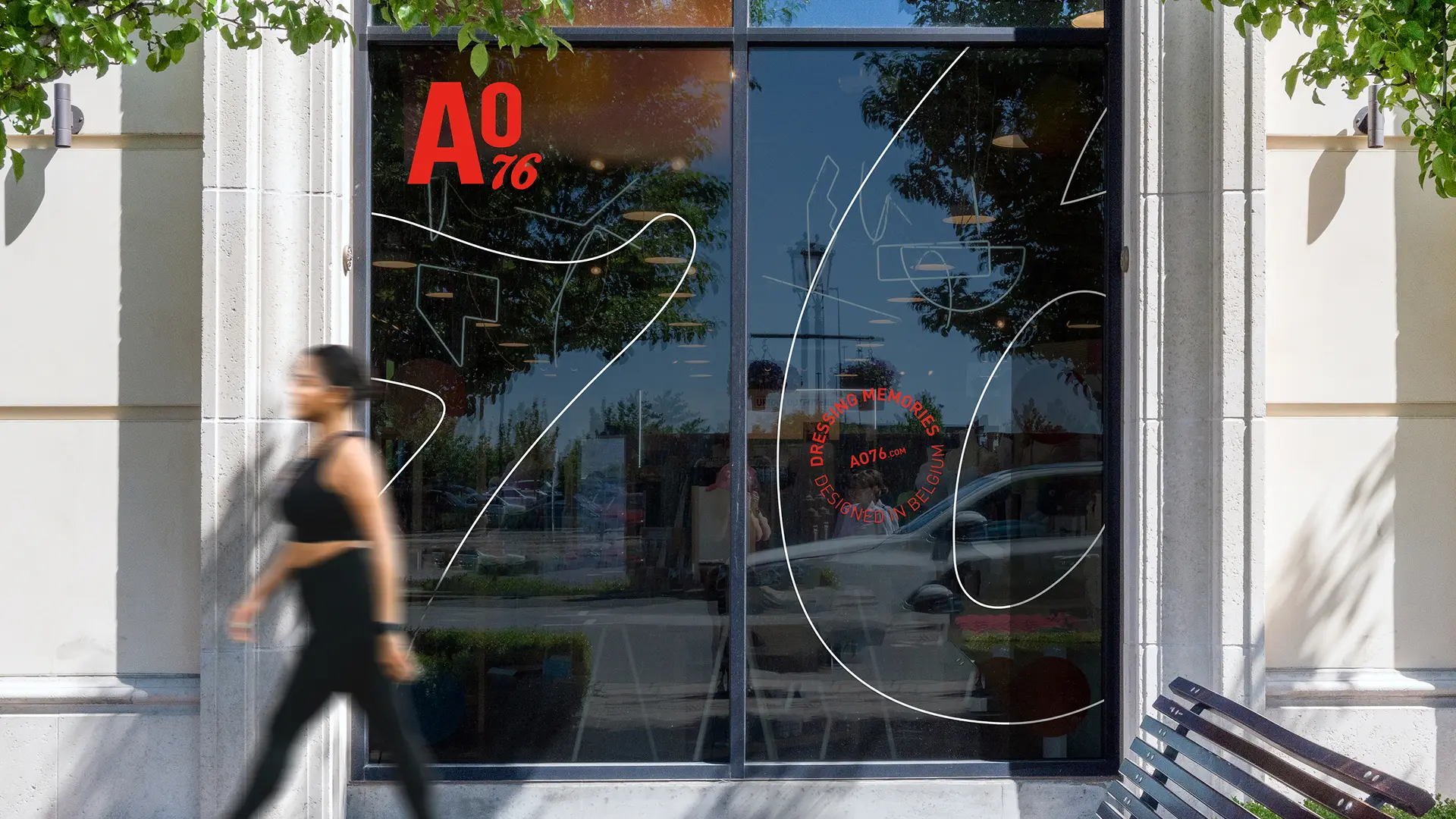
That strategic direction was brought together in Dressing Memories. The idea starts from the role children’s clothing plays in moments that later become memories. It gives AO76 a brand story that reaches beyond a single collection, season or campaign.
From that strategic foundation, the identity could then be strengthened in a targeted way. Logo, colour, typography and graphic elements were organised into a clearer system while preserving the playfulness that already distinguished AO76.
Here too, strategy determines what needs to change. Not the other way around.
Changing without discarding value
A brand builds recognition, associations and familiarity over time. That accumulated brand value is both an advantage and a responsibility during a rebrand. The identity needs to evolve enough to reflect the current reality of the brand, without unnecessarily discarding recognition that still works.
Instagram therefore retains much of its recognisable core and refines what needs to evolve around it. Vans reorganises existing assets instead of replacing them. AO76 builds on its existing character, but gives it a sharper strategic framework through Dressing Memories.
The right balance is different in every case. The extent to which strategy, offer or role changes should determine how much of the identity moves with it.
A rebrand therefore does not start with the question of what could look different.
The relevant question is what needs to change to bring the identity back in line with the reality of the brand, and which accumulated brand value should deliberately remain.