Strong locally, vulnerable globally?

For many companies, international expansion is a logical next step. New markets promise scale and visibility. Yet while expansion plans often focus on sales and distribution, the brand foundation is frequently underprepared. And that is no minor detail: a brand that performs strongly at home may come under legal or strategic pressure abroad.
History shows that even iconic brands had to rethink their names in order to break through internationally.
What tends to go wrong?
A common issue is that brand names prove linguistically, culturally or legally non-transferable. Think of descriptive elements, local generic terms or pre-existing third-party rights. In such cases, holding on to the original name is not a strategic choice, it is a risk.

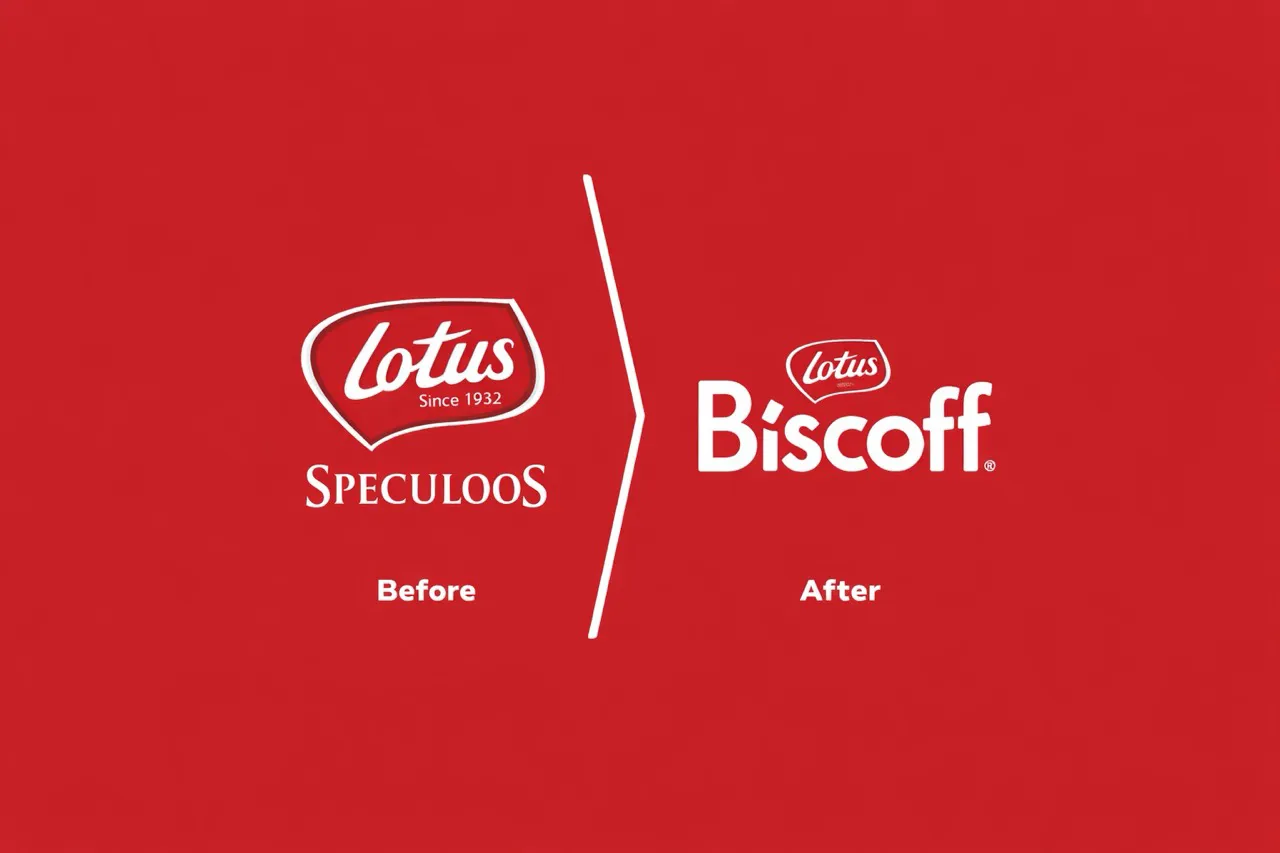
Lotus Bakeries, for example, replaced 'Speculoos' with 'Biscoff' to build a global brand. The name change was not a marketing trick, but a strategic intervention to remove legal and commercial barriers.
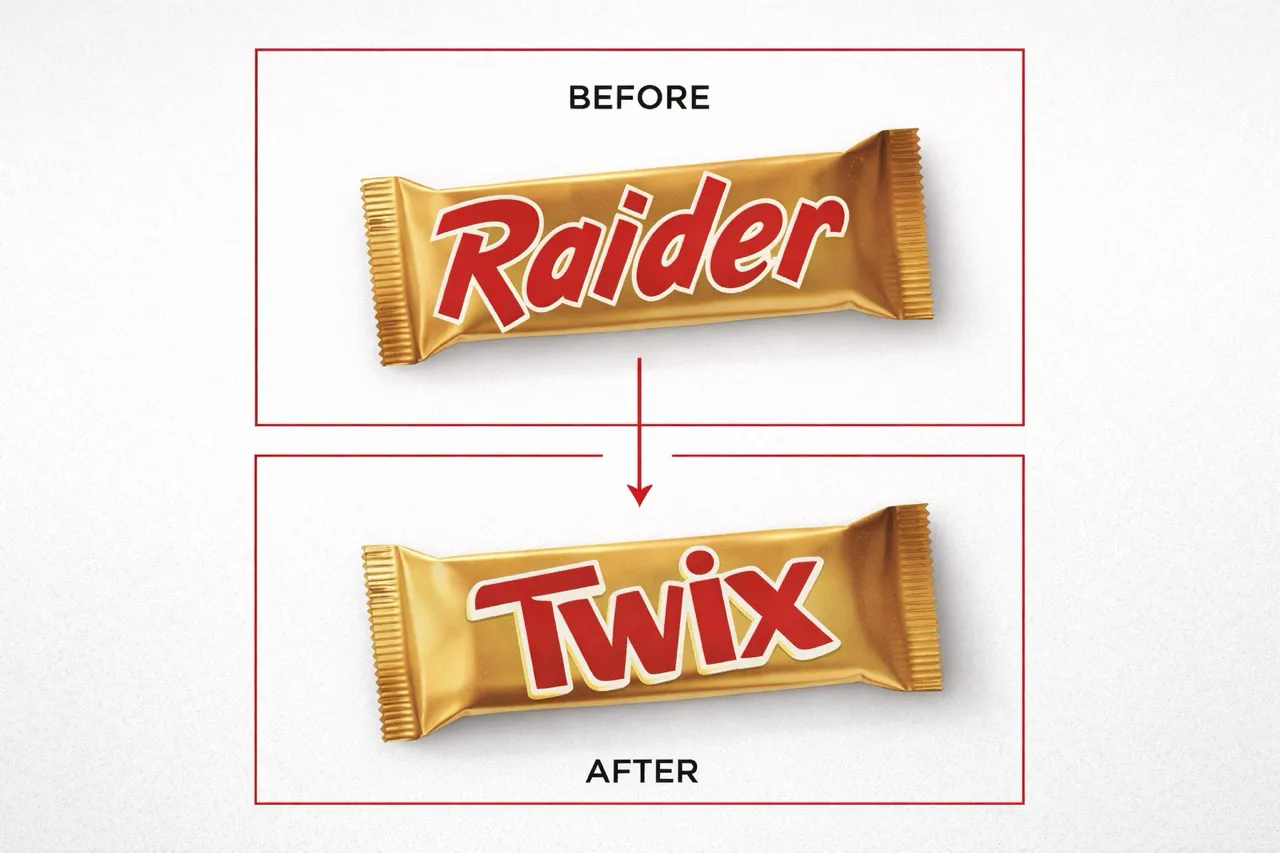
Mars made a similar decision. The chocolate biscuit that had been sold in Europe for years as Raider was already called Twix in the US. In 1991, Mars decided to use one single global brand name. This meant saying goodbye to a well-known name, but it resulted in international consistency and brand strength.
We see the same phenomenon with Treets and Bonitos, which were absorbed into M&M’s worldwide. Closer to home, Smiths crisps disappeared from the Benelux to make way for Lay’s, the international brand name of parent company PepsiCo. With ice cream brand Ola, we also see how a single brand operates worldwide under different names within the Unilever portfolio. In all these cases, international recognition prevailed over local brand awareness.

Uniformity is not a given
These examples illustrate that linguistic and legal restrictions are often the direct reason for changing a brand name. Trademark rights are territorial, descriptive elements are difficult to protect (as you can read in our insight about the protectability), and local recognition offers no guarantee across borders. International expansion therefore requires a conscious balance between uniformity and effectiveness.
A practical checklist for brand owners:
- Is the brand name legally viable (internationally)?
- Is the name strategically scalable?
- Has its positioning been planned in a timely manner?
- Does the brand architecture align with international growth?
Dare to let go?
Internationalisation does not automatically mean sticking to what is familiar. Sometimes growth requires letting go. Brands that recognise this in good time increase their legal and commercial clout. Remarkable Europe guides companies through these strategic choices: from name research and registration strategy to brand architecture and international positioning. That's why, when creating names for Nalu, Greenyard and Nutreco, among others, we opted for names that are internationally scalable. The name must be legally protected and culturally transferable, without local restrictions. Feel free to contact us.


%20Large.webp)