From hit records to hard assets

Britney Spears sold her music rights for 200 million dollars. Other artists, such as Bob Dylan, Bruce Springsteen and Shakira preceded her. These transactions are not about nostalgia, they are about intellectual property as capital.
Intellectual property is not just an abstract legal concept. It is a transferable, valuable asset, as long as there is adequate protection.
This relatively recent development in the music industry provides a good opportunity to compare three core pillars of IP law: copyright, trademark law and patent law. What exactly do they protect?
Creation is not a brand, and a brand is not a technology.
Copyright protects creative expression.
It covers the concrete form in which an idea is expressed: music, text, software, design. Protection arises automatically once the work is sufficiently original. Copyright protection in the EU generally lasts until seventy years after the author’s death.

That automatic protection is powerful, but commercially fragile. Without clear agreements on ownership and exploitation, value becomes difficult to control, especially across borders.
Disney vs TikTok
The rapid evolution of AI underscores the importance of copyright protection and the increasing complexity of enforcing it. For example, Disney is in dispute with ByteDance over the AI video generator Seedance, which generates hyper-realistic scenes. According to Disney, the system was trained using protected franchise material, which once again illustrates how AI significantly complicates the process of proving and defining infringements and can put pressure on its economic value.

Trademark law protects distinctiveness.
A name, logo or slogan is protected because it indicates commercial origin to consumers.
Yet many businesses confuse a trade name, a company name and a registered trademark: three legally distinct concepts with different scopes of protection, as we explained earlier in ‘Trade name, company name or trademark’?
Unlike copyright, trademarks require registration. Protection is furthermore territorial: a Benelux registration does not automatically extend to the EU or beyond. On the other hand, a trademark can last indefinitely, provided it is genuinely used and renewed every ten years.

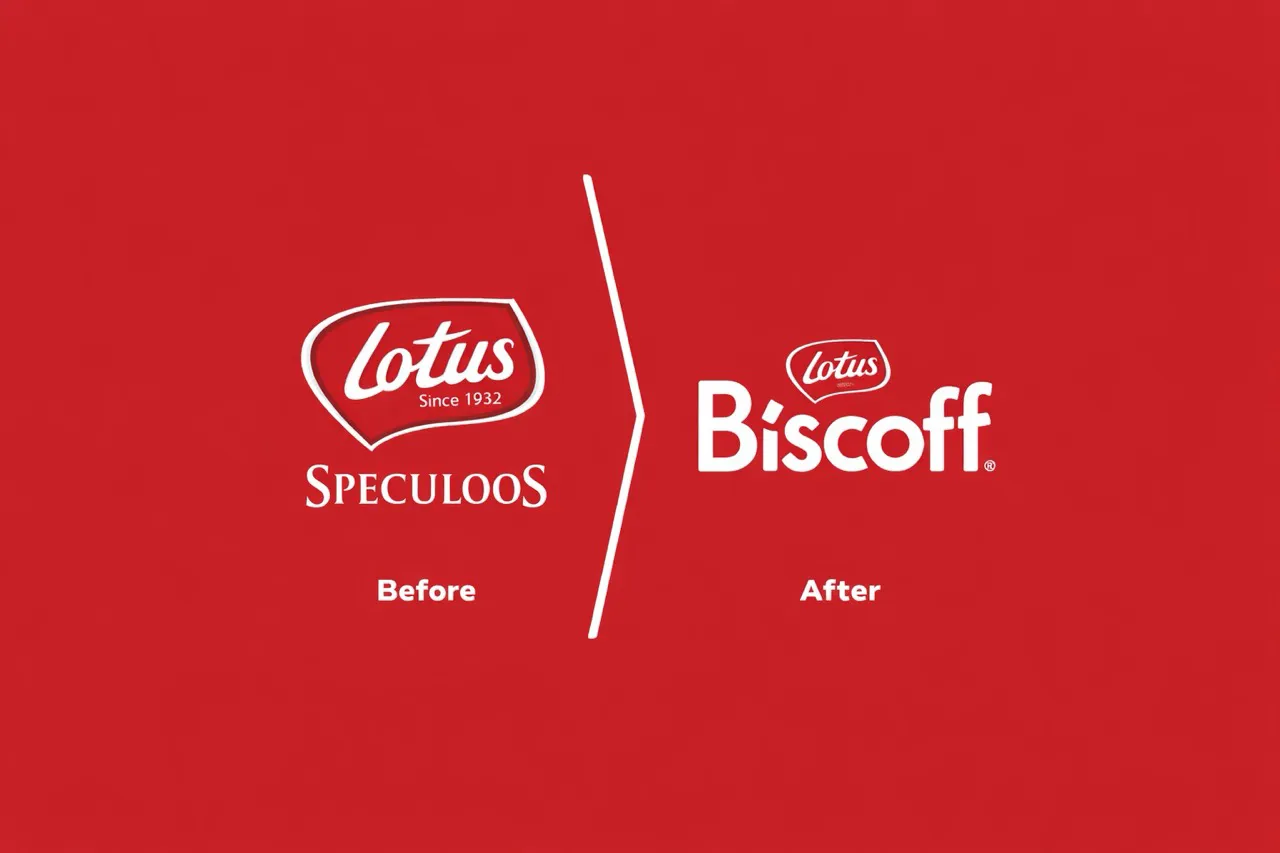
For companies scaling internationally, that territorial concept is of strategic importance. A strong brand without adequate geographic coverage remains vulnerable. (Which is illustrated in No Lotus in China, No Uggs Given in Australia).
Patent law protects technology.
It applies to technical inventions that are new, inventive and industrially applicable. Protection only arises after substantive examination and is limited to a maximum of twenty years.
Patents are temporary monopolies, but in technology-driven sectors, they often determine competitive advantage. Apple, for example, has it's innovation embodied in its Intellectual Property, including patents, trademarks, and copyrights.

Thinking ahead
Copyright, trademarks and patents all create value. What differs is how that value is protected, timed and enforced.
- A creative work without contractual clarity loses control.
- A technical innovation without timely filing risks becoming public.
- A brand without (international) protection remains exposed.
From music catalogues worth hundreds of millions to global brandportfolios and patented technologies, intellectual property is not a legal afterthought. Properly structured, it is capital.
A structured IP strategy determines whether your creativity, distinctiveness, or inventiveness becomes capital or remains vulnerable. Let’s structure it properly.
Feel free to contact us.



%20Large.webp)