When repetition becomes distinction


130 years of the Louis Vuitton monogram
The Louis Vuitton monogram turns 130 this year. What began in 1896 as a practical response to counterfeiting has become one of the most recognisable trademarks worldwide.
At a time when brands simplify logos and embrace minimalism, the LV monogram remains deliberately visible and repetitive. That persistence raises a relevant question for brand owners: why does a monogram work and when does it become a true strategic asset?

Protection before aesthetics
Georges Vuitton introduced the monogram shortly after his father’s death, primarily to combat imitation. By combining initials with distinctive floral motifs in a repeating pattern, the brand made its products harder to copy and easier to recognise.
The monogram was not created as decoration. It was designed as protection. Legal thinking preceded visual branding, a sequence that many modern brands still reverse.

What makes a monogram protectable?
A monogram is a distinctive sign formed by combining two or more letters (usually initials) into a stylised design that functions as an identifier of origin. From a trademark perspective, protection depends on distinctiveness. A single letter is rarely strong enough. The power lies not in the initials themselves, but in their distinctive stylisation and disciplined use over time, as demonstrated by long-standing corporate monograms across industries such as IBM, VW and NMBS.
Strategically, a monogram sits between logo and product. It does not merely label the product, it becomes part of it. That integration strengthens both brand recognition and legal position, provided it is carefully managed.

Control defines strength
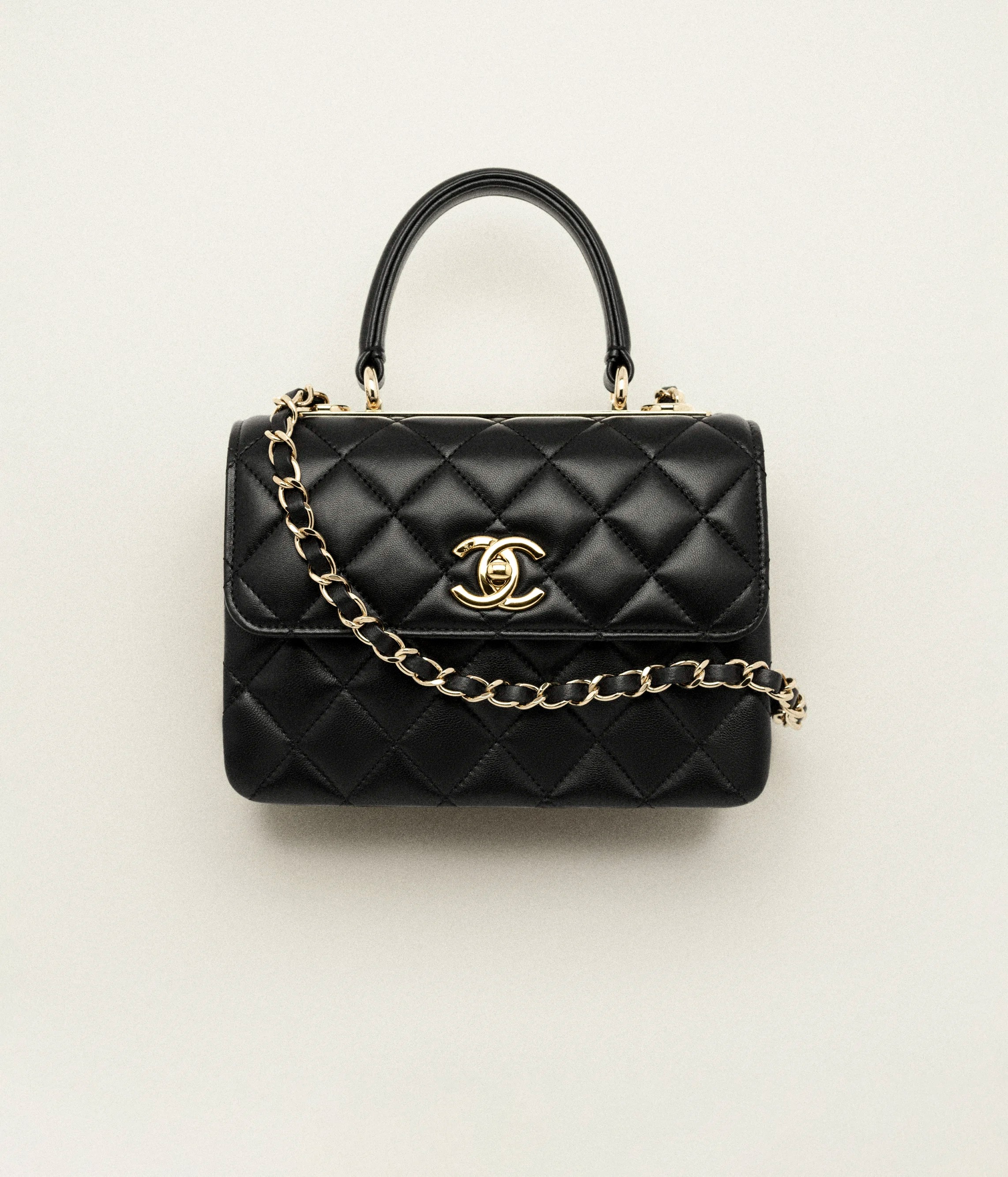
Louis Vuitton, like Chanel or Gucci, demonstrates that the success of a monogram depends on discipline: strict visual consistency, clear positioning and active enforcement. Initials are inherently limited. Similar letter combinations appear quickly, and conflicts are common in EU trademark practice.
Without a deliberate protection and enforcement strategy, a monogram risks dilution. What feels distinctive can easily become generic.
A lesson beyond luxury
Monograms are also popular with family businesses, professional services firms and heritage brands. Yet what carries emotional value internally may lack distinctiveness externally. Without strategic framing and legal assessment, a monogram risks functioning as decoration rather than as a defensible trademark.
130 years later, the LV monogram illustrates a simple but enduring principle: repetition is not excess. It is strategy.
Recognition is never accidental. It is built,protected and consistently applied. We advise companies on developing and safeguarding the distinctive assets that give their brand lasting legal and strategic strength. Feel free to contact us.






















.webp)








.webp)
.webp)