Why do names like iMac and McWrap feel instantly familiar?


Why do some product names feel familiar the moment you hear them, even for the first time? Names like iMac or McWrap seem obvious. Yet that recognition is rarely accidental. It emerges because naming, often unconsciously, evolves into a system.
From individual names to structure
In many organisations, product portfolios grow faster than the brand structure can keep up. New products, variants and generations are launched at high speed. Each introduction requires a name, often defined from a product perspective.
In the short term, that works. Over time, it leads to an accumulation of decisions without clear coherence.
At that point, naming starts to behave differently. New names begin to align with existing patterns. They repeat elements, follow a similar logic or build on a recognisable structure.
What started as isolated decisions gradually becomes a system.
Naming as part of brand architecture
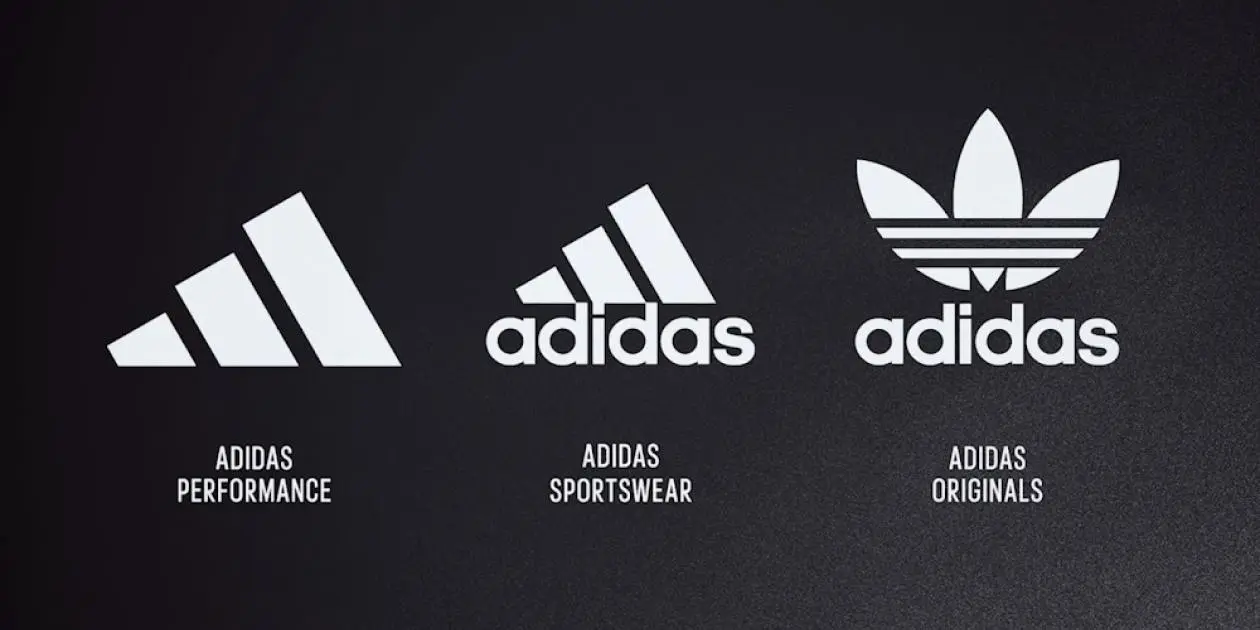
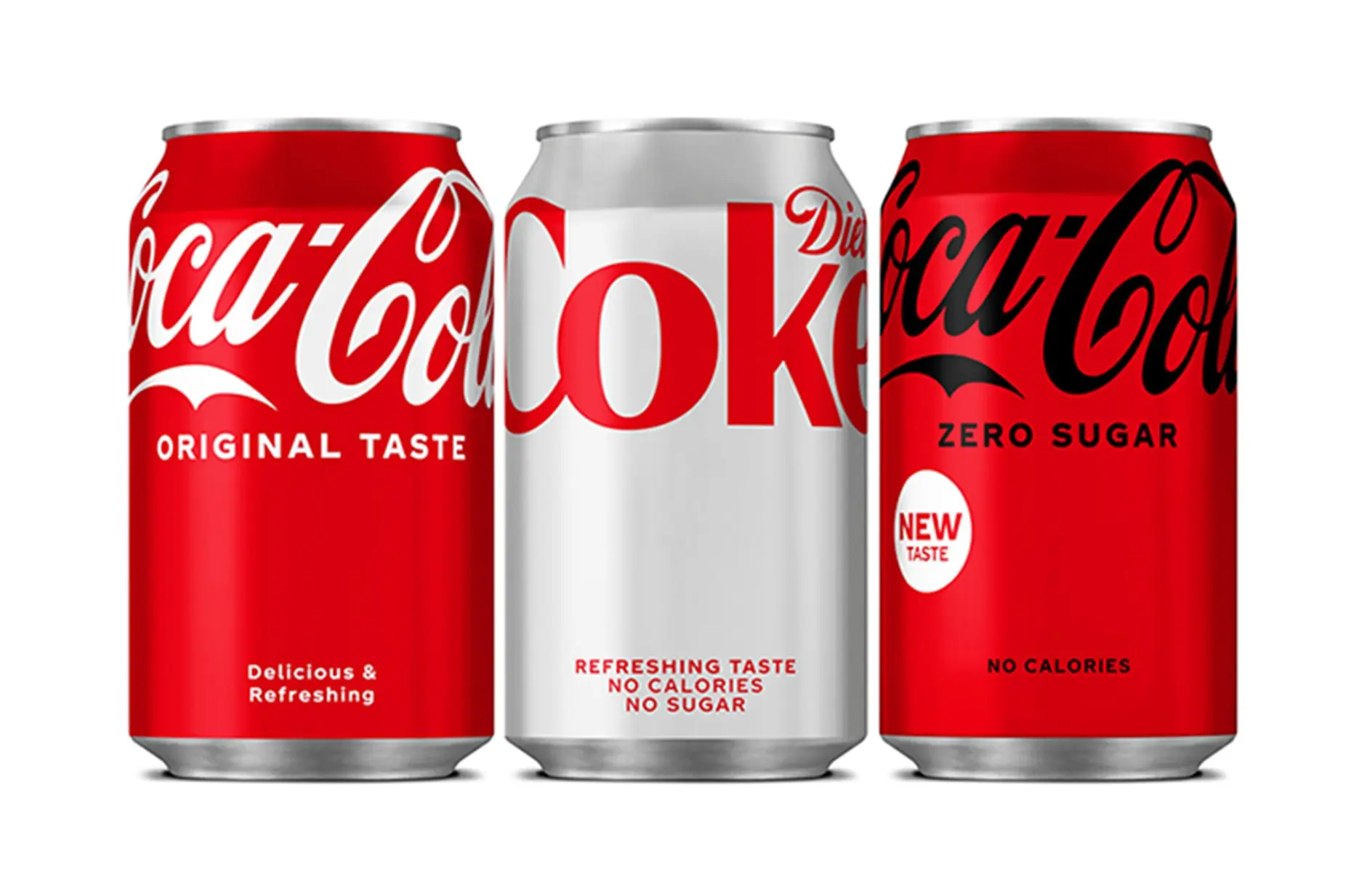
This phenomenon, often referred to as name clustering, is not a creative technique but a structural choice. Products are grouped around a shared naming element that carries the brand value, while additions create differentiation.
Car manufacturers such as Škoda build their portfolio around a consistent naming structure. Technology companies like Apple rely on a core name, extended with hierarchical additions such as Pro or Max.
Naming becomes the visible expression of structure. It clarifies how products relate to each other and how a portfolio evolves.

Scale and protection
The strength of this approach lies in its simplicity. One name builds equity, while variations build upon it. This creates recognition and enables faster expansion without having to rebuild brand value each time.
This logic also has a legal dimension. In most cases, distinctiveness sits in the core element, while additions tend to be descriptive. The strength of the system therefore depends on a single name.
When that core weakens, the entire system loses strength.
When structure starts to fade
This is where things often go wrong. Name clustering requires discipline and clear choices. When too many variants are brought under one name, that name loses direction.
A grey zone often emerges between product names and sub-brands. Without clear boundaries, a cluster evolves into a brand layer of its own, without strategic or legal grounding.
In an international context, these tensions become more visible. Names that work locally may face issues elsewhere in terms of availability, language or protection. At the same time, the role of the parent brand may shift, putting further pressure on overall coherence.

A structural decision
For growing organisations, this is not an exception but a recurring challenge. New products need to be named, often under time pressure. Without a clear naming logic, systems emerge that are reactive rather than strategic.
The consequences rarely appear in a single decision, but in their accumulation: unclear positioning, internal debate and legal vulnerability.
Naming therefore becomes a structural decision. It defines how products relate to each other and how a brand evolves over time and across markets.
Looking ahead
Companies that manage this well define their naming logic upfront and apply it consistently. They build a system that supports growth without creating complexity.
Those who keep adding without structure build portfolios that become increasingly difficult to manage and protect.
Naming is not a detail of branding. It is a fundamental part of how brands are organised.

















.webp)






.webp)
.webp)