When does a brand earn its place?

A new product receives its own name. An acquired company keeps its established brand. A new business activity gets a separate identity. Each decision can make sense, yet years of growth may leave a company managing more brands than it can properly support.
Every brand requires continued investment in awareness, positioning and recognition. One question deserves more attention: what would customers and the company lose if one of those brands no longer existed independently?
A standalone brand earns its place when it creates value that the other brands in the portfolio cannot adequately deliver.
Revenue alone does not prove brand equity
Strong sales can make a brand seem indispensable. Yet revenue tells us little about how much the brand name itself contributes.
Customers buy products and services for many reasons. Price, availability and product features may matter more than the name. Would those same customers still buy the offering if it appeared under another brand in the portfolio?
A brand with high sales does not necessarily command strong preference of its own. Conversely, a smaller brand may have a loyal audience, a distinctive reputation or particular credibility in its market.
Assessing brands on revenue alone can therefore lead to poor decisions about their actual contribution.

When multiple brands extend market reach
Volkswagen Group invests in separate marques such as Škoda, Volkswagen, CUPRA, Audi and Porsche because each has a different position in the automotive market. The vehicles, price points and customer expectations differ, as do the reputations the marques have built over time.
By positioning them deliberately, the group can reach different customer segments while limiting competition between its own brands. Someone considering a Porsche expects something different from the car and the marque than someone choosing a Škoda.
Several brands in one product category can therefore expand market reach, provided each addresses a distinct audience or buying motive. When those distinctions fade and the brands start competing for much the same customers, maintaining separate identities becomes harder to justify.

Decathlon: different names, different roles
Over time, Decathlon built up dozens of brand names for individual sports. In 2024, the company decided to simplify its portfolio and give Decathlon itself a more prominent position as the master brand on its products.
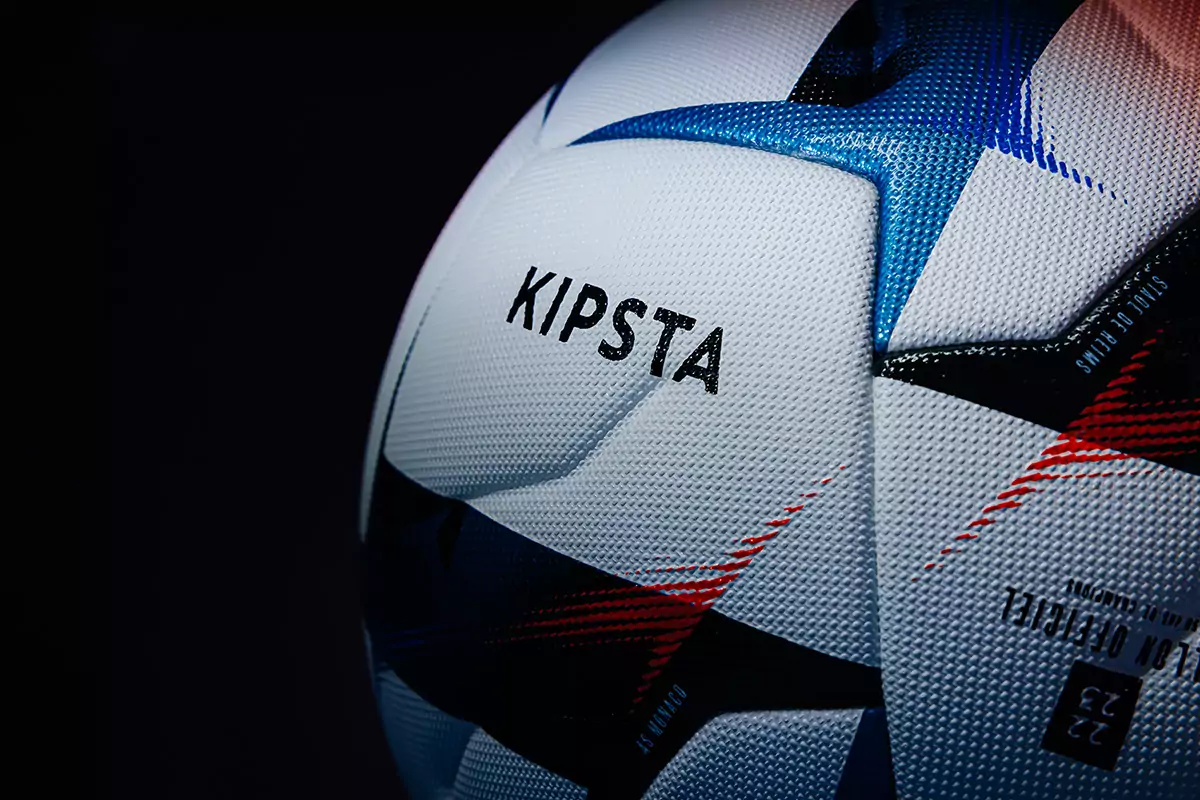
The revised structure retained nine specialist sports labels, including Quechua and Kipsta, alongside four expert brands such as Van Rysel and Kiprun. The specialist labels help customers recognise different sports categories. The expert brands target demanding athletes for whom a distinct performance positioning matters.
Bringing more products directly under Decathlon allows the company to draw on the recognition of its main brand more broadly. It keeps separate names where specialist credibility and an established reputation can add commercial value.
The distinction matters in any brand portfolio. Some names chiefly help customers navigate a range. Others reach a specific audience or build a preference that the master brand would struggle to generate on its own.

A new product does not automatically need a new brand
A product launch raises the same choice. The offer needs a recognisable name, but that name does not always have to develop into an independent brand.
Consider IKEA's KALLAX shelving range. The product has a recognisable name but is consistently presented as part of IKEA's range. Customers can identify and find the product, while IKEA provides the broader brand recognition and positioning.
A product name can be commercially useful without the investment required to build a separate brand strategy, identity and market position.
A standalone new brand may still be justified when the existing portfolio leaves too little room for a different audience or positioning. A brand with little recognition today can also be a sound investment if its future role in the market is credible and well supported.
That is why naming and brand architecture belong in the same strategic decision. The role a name is expected to play over time should determine how independently it operates.
Keeping a brand relevant requires continued investment
A brand that operates independently needs attention long after its launch. Time, people and budget are required for communication, brand identity, product development and consistent positioning.
In a broad portfolio, those resources must be spread across multiple names. That is worthwhile when the brands complement one another, but less effective when their audiences and positions substantially overlap.
Retiring a brand can also destroy accumulated value. Awareness, trust and customer preference do not automatically transfer when products or activities move under a different name. Consolidation or phase-out therefore deserves a careful assessment.
Every brand must keep earning its place
A brand portfolio never stands still. New products, acquisitions and international growth may justify additional brands, while established names can eventually lose their original purpose.
Some brands warrant further investment. Others need a clearer role within the architecture, or would be better continued under an existing name.
The measure that matters is how each brand contributes, independently and alongside the other brands, to the company's market position and future growth.