The strategic move behind Dolly Parton’s fortune


Dolly Parton died on 25 August 2026 as one of the most successful artists and entrepreneurs in American entertainment history. Forbes estimated her net worth at around $450 million in 2025. A significant part of that value was tied to her stake in Dollywood, but her catalogue of more than 3,000 songs was also estimated by Forbes to be worth around $120 million.
Parton did not simply earn money from what she created. She understood early on that intellectual property becomes a strategic asset when you consciously decide which rights to retain, how to protect them and under what conditions others may exploit them.
The deal she refused to make
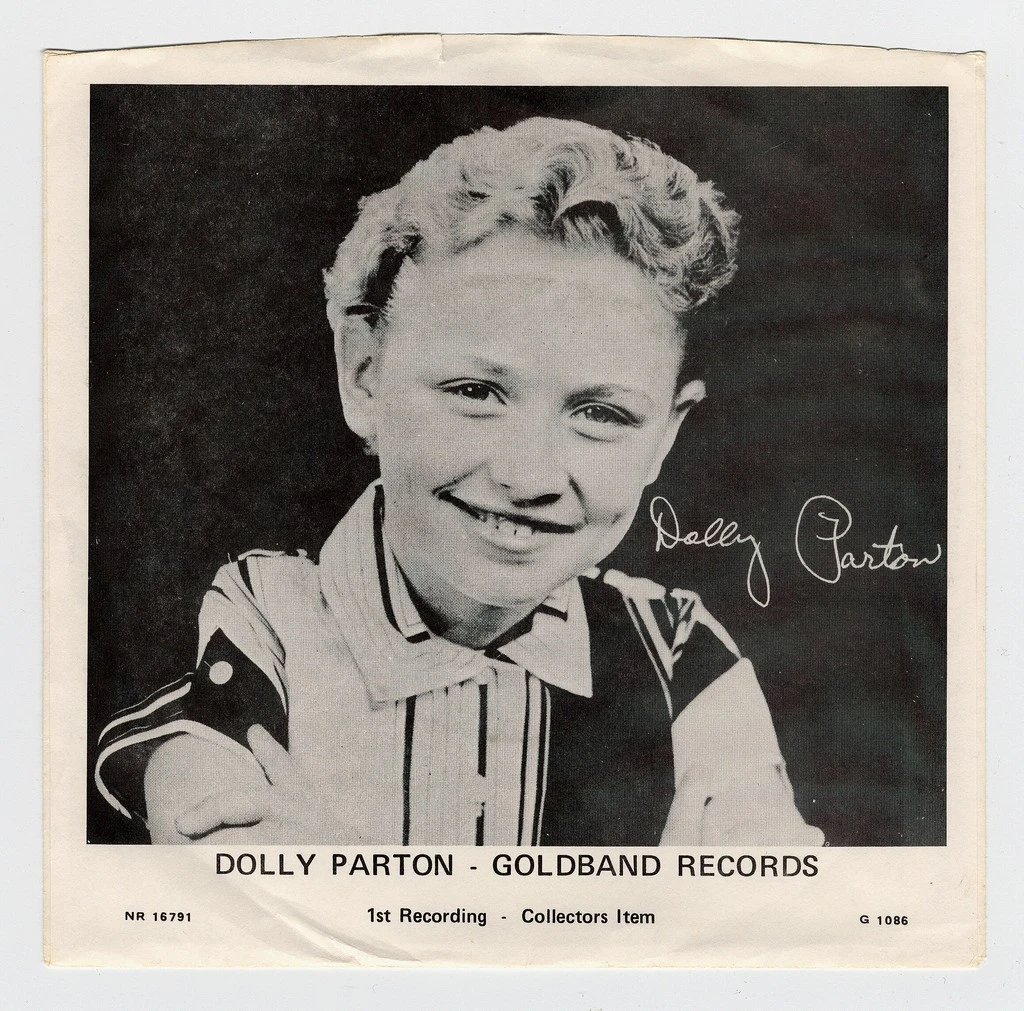
The best-known example is “I Will Always Love You”.
When Elvis Presley wanted to record the song, it appeared to be an extraordinary opportunity for Parton. But his manager, Colonel Tom Parker, wanted half of the publishing rights as a condition of the deal. Parton refused.
In the short term, that meant walking away from a major commercial opportunity. At the same time, she retained control over a work whose future value was impossible to predict.
That decision became particularly significant almost twenty years later. When Whitney Houston recorded the song for The Bodyguard in 1992, her version became a global hit. Legally, the distinction remained important: Houston performed a new recording, while Parton remained the rights holder in the underlying composition.
Her decision in the Elvis negotiations was therefore more than an instinct to protect her work. It was a deliberate choice to retain control over future exploitation and value.

Britney sold. Dolly held on.
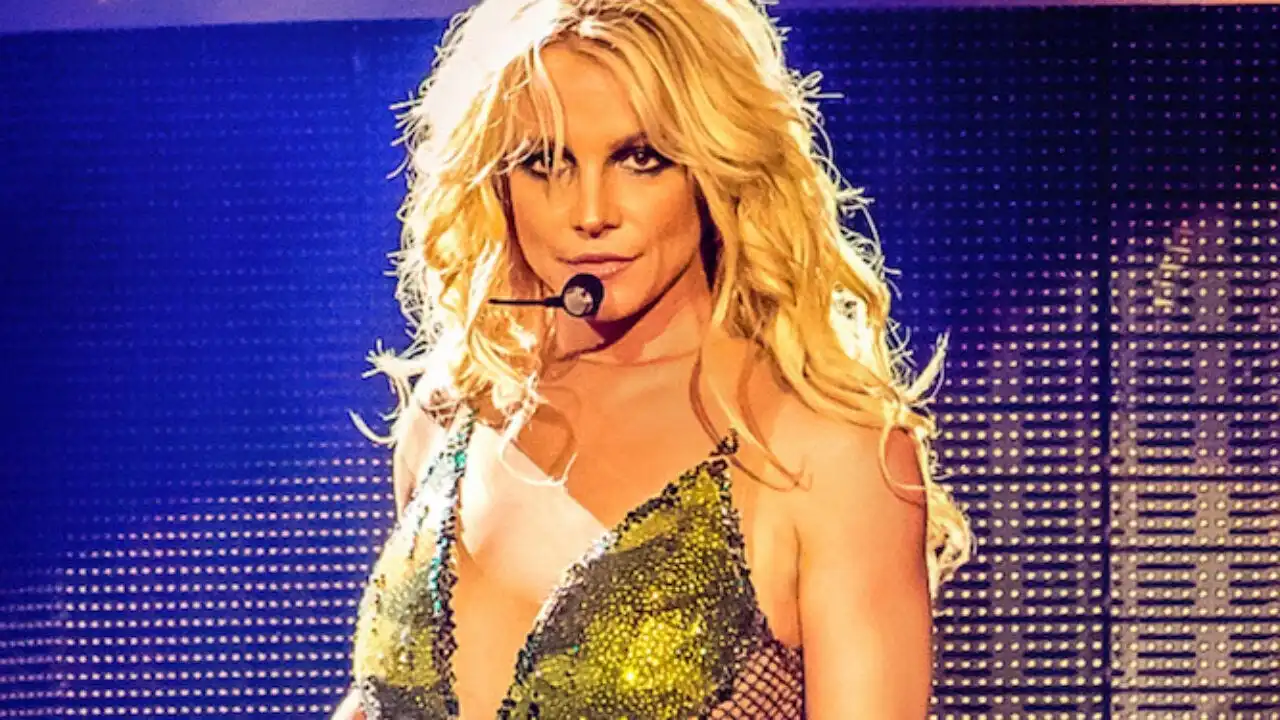
Recently, we saw the opposite approach with Britney Spears. At the end of 2025, she sold rights in her music catalogue to Primary Wave. The exact financial terms were not disclosed, although several media reports valued the transaction at around $200 million.
As we explained in our earlier article on intellectual property as a strategic asset, transactions like these make the capital value of IP particularly tangible. Rights can be valued, exploited and ultimately transferred.
Britney shows the value IP can realise when it is sold. Dolly shows the value that can be created by strategically deciding to retain it.
Both choices can make strategic sense. What matters is that a well-structured IP position creates options.
IP strategy determines your economic room to manoeuvre
The same principle is highly relevant for companies.
A business can invest for years in a name, reputation, product or creative identity without its legal structure developing at the same pace. With trademarks, that becomes particularly visible. Extensive use and significant marketing investment do not automatically mean that a brand is adequately protected across all relevant markets and categories.
A sound IP strategy therefore does not start with the question of which trademark registration should be filed. It starts with the business strategy. Which intellectual assets are essential to future growth? Which rights should the company retain control over? Where could licensing create value? And what protection is required to make those choices legally possible?
These questions become especially important in international expansion, licensing, investment, mergers, acquisitions or a sale. At that point, it becomes clear whether a company has built only commercial brand value, or whether it also owns the legal assets needed to control and exploit that value.
Value starts with strategic control
Dolly Parton could not have predicted that Whitney Houston would turn her song into a global hit almost twenty years later.
She did not need to. Her IP strategy ensured that she retained her options when that future value emerged.
That may be the most relevant business lesson in her legacy. Protecting intellectual property is not only about preventing others from taking advantage of your creations or your brand. It is about structuring ownership, protection and exploitation in a way that keeps the value built today strategically usable tomorrow.
The relevant question is therefore not only how much your intellectual property is worth today, but also: if that value increases significantly tomorrow, will you still own the rights and have the freedom to use them strategically?