Naming & Brand Identity
A name that sounds right is not necessarily a name that holds up. At Remarkable, naming and brand identity development combines strategic grounding, creative rigour and in-house legal validation. Not as consecutive steps. As one integrated process.
Naming
The strongest brand names are not the result of a creative brainstorm. They are the result of a process that starts with strategic clarity, moves through rigorous creative development and ends with confirmed legal availability. At Remarkable, those three steps happen in parallel, not in sequence.
Strategic and creative name development
We develop names that are distinctive, linguistically usable and culturally appropriate across target markets. Every name is evaluated on memorability, phonetic workability and strategic fit before it enters legal screening. Candidates that do not survive the brief do not reach the shortlist.
Cross-linguistic and cultural validation
A name for international use must work across languages and cultures. We test names for unintended meanings, phonetic difficulties and cultural associations in all relevant markets before any name is presented as a finalist.
Brand Identity and Applications
A brand identity is not a logo. It is a system: mark, colour, typography and graphic language that work together consistently across every environment where the brand appears. We design identities that are distinctive enough to own, simple enough to apply and robust enough to scale.
Logo and visual identity
We design brand marks and visual systems that reflect the strategic positioning of the brand. Every element, from symbol to colour palette, is chosen for its distinctiveness and its ability to work across digital, print, physical and motion environments.
Brand applications
A visual identity only has value if it is applied consistently. We develop the full range of brand applications: stationery, digital templates, packaging, signage, presentation formats and other touchpoints relevant to the brand's context.
Brand Guidelines
Brand guidelines translate strategic and creative decisions into practical rules that teams can follow and partners can apply. Without clear guidelines, even a strong identity becomes inconsistent over time. We write guidelines that are clear enough for daily use and complete enough for complex implementation across multiple touchpoints and markets.
Brand guidelines and identity documentation
We document the full visual and verbal identity system: logo usage, colour, typography, tone of voice, photography and application rules. The output is a working document, not a design showcase.
Brand system governance
For companies with multiple brands, markets or internal teams, brand governance defines who makes which brand decisions, how consistency is maintained and how the system evolves as the company grows.
Legal Validation
Legal validation is not a final check. It is part of the naming process from the start. A name that is legally unavailable or unregistrable is not a name. At Remarkable, our in-house trademark team works alongside the creative process so that legal exposure is identified and resolved before investment is made in a name that cannot be protected.
Trademark availability search
We conduct availability searches across all relevant trademark classes and target markets as part of the naming process. Results are fed back into creative development in real time, not presented as a barrier at the end.
Registration strategy and filing
Once a name is confirmed, we advise on the optimal registration strategy: which classes, which territories and which filing sequence. For international launches, we manage cross-border filings and coordinate coverage across jurisdictions.
Featured cases



Anacura
Brand Strategy
,
Naming & Brand Identity
,

KBC
Brand Strategy
,
Naming & Brand Identity
,

Equitone
Naming & Brand Identity
,
Aqualex
Brand Strategy
,
Naming & Brand Identity
,
Arvesta
Brand Strategy
,
Naming & Brand Identity
,

Acerta
Brand Strategy
,
Naming & Brand Identity
,

Sofico
Brand Strategy
,
Naming & Brand Identity
,

Liantis
Naming & Brand Identity
,
Brand Strategy
,
Legal Brand Protection
,

Milcobel
Brand Strategy
,
Naming & Brand Identity
,
Legal Brand Protection
,

Lotus
Brand Strategy
,
Naming & Brand Identity
,
Greenyard
Brand Strategy
,
Naming & Brand Identity
,

AZ Zeno
Brand Strategy
,
Naming & Brand Identity
,
Legal Brand Protection
,

Samsonite
Naming & Brand Identity
,
Legal Brand Protection
,
Montea
Brand Strategy
,
Naming & Brand Identity
,
Legal Brand Protection
,
Belviva
Brand Strategy
,
Naming & Brand Identity
,

Smartphoto
Brand Strategy
,
Naming & Brand Identity
,
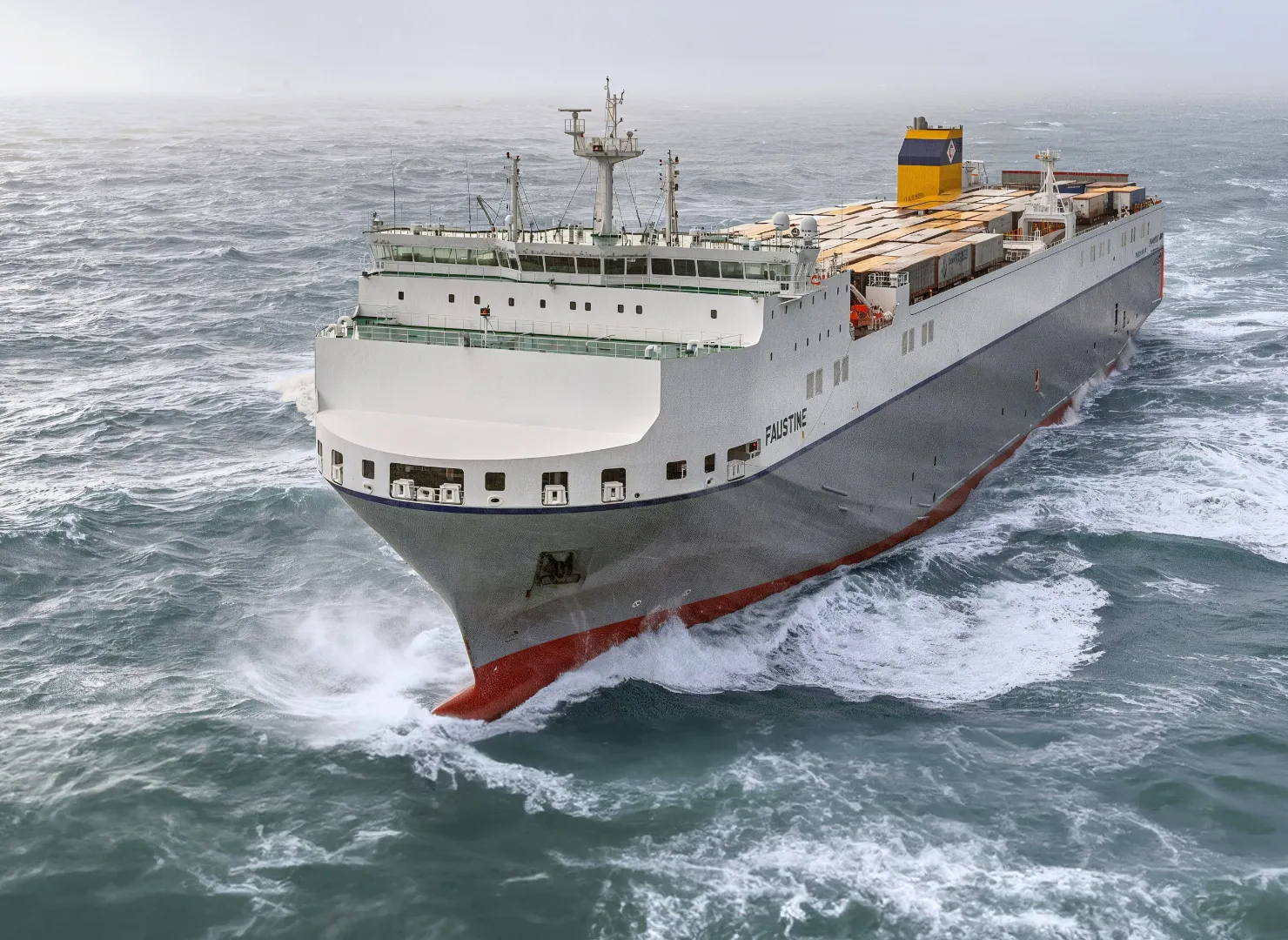
CLdN
Brand Strategy
,
Naming & Brand Identity
,
Legal Brand Protection
,
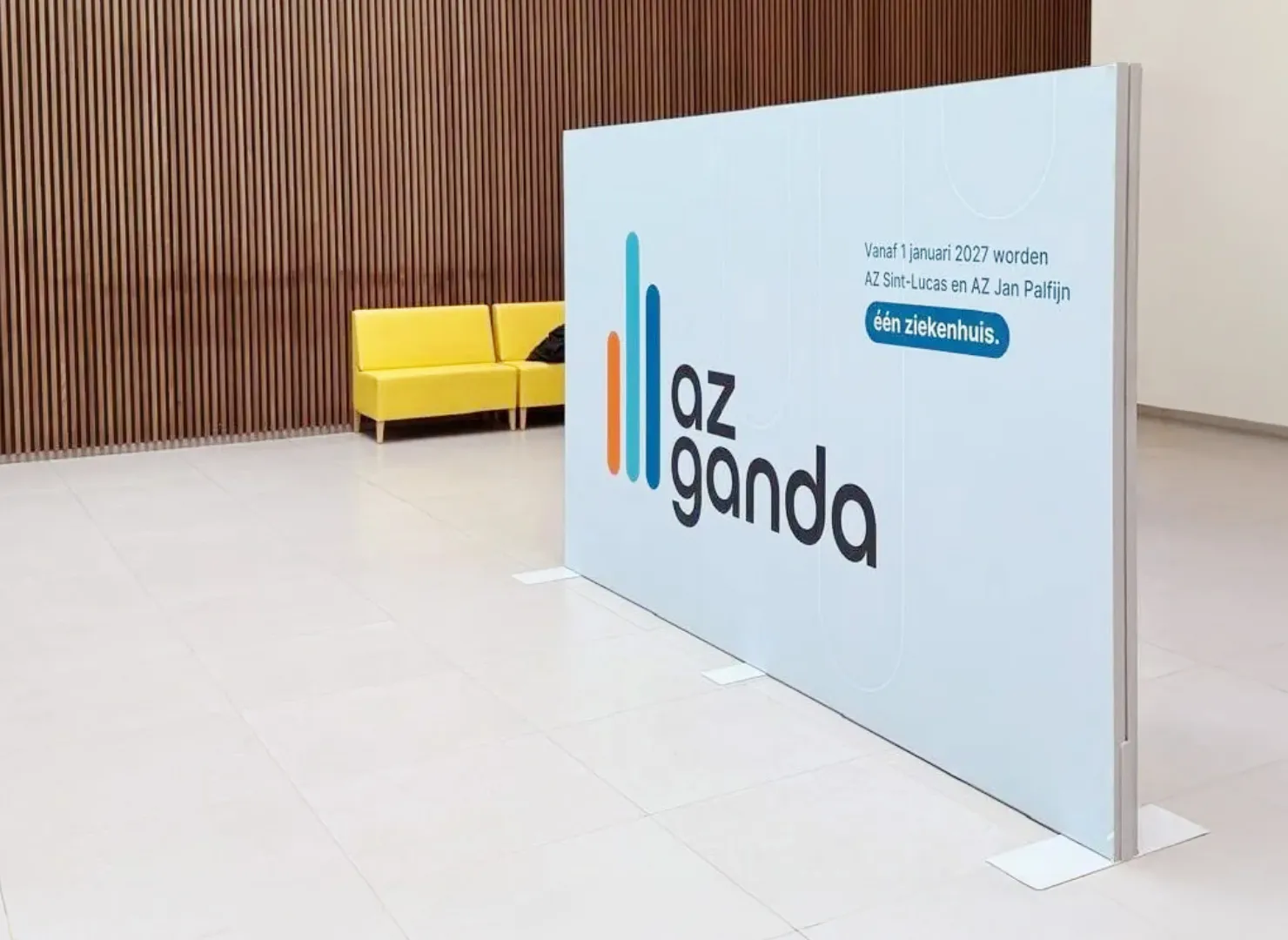
AZ Ganda
Naming & Brand Identity
,
Legal Brand Protection
,
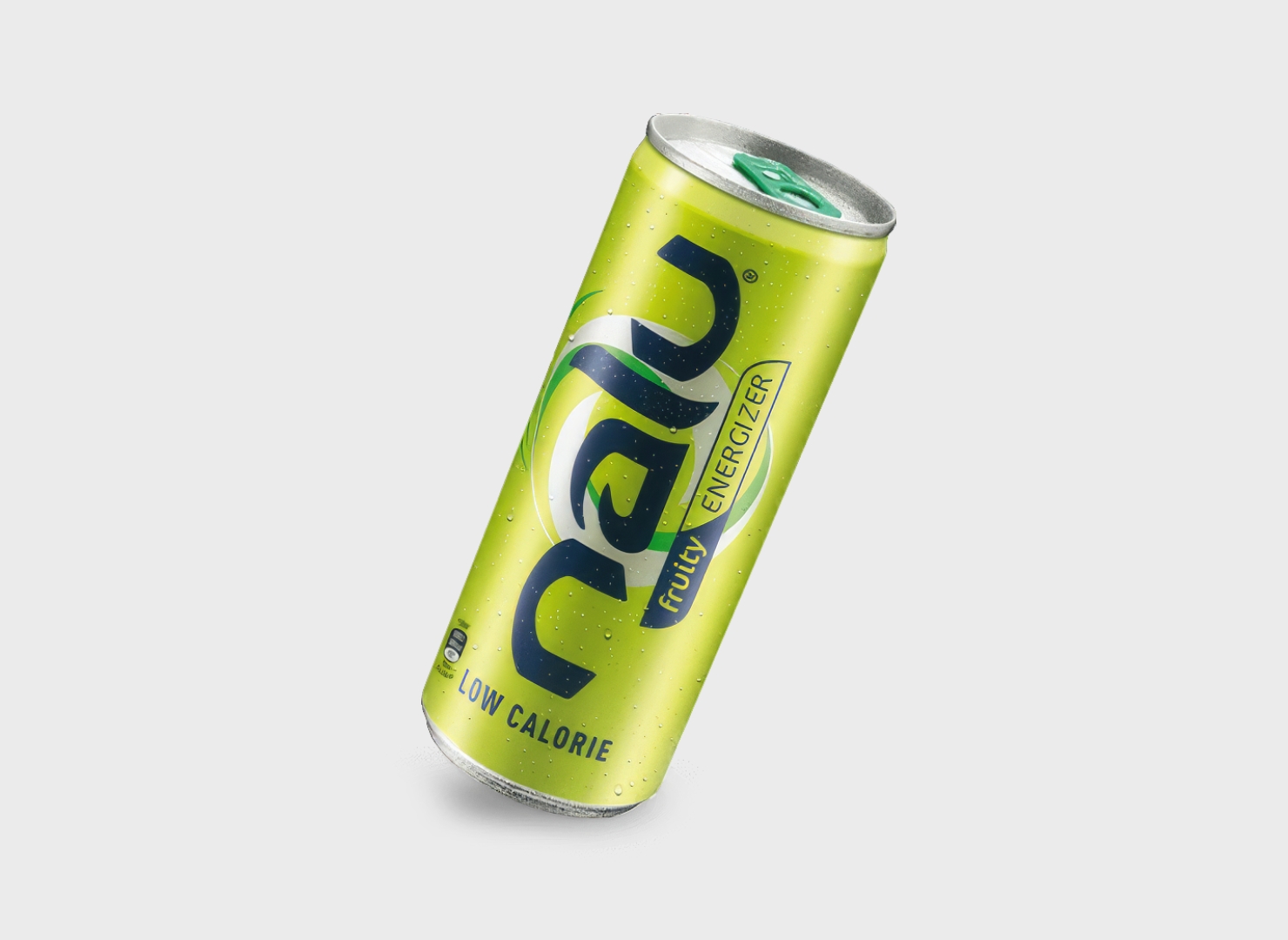
Nalu
Brand Strategy
,
Naming & Brand Identity
,
Nutreco
Brand Strategy
,
Naming & Brand Identity
,

A076
Naming & Brand Identity
,
Legal Brand Protection
,

AG Insurance
Brand Strategy
,
Naming & Brand Identity
,

Belfius
Brand Strategy
,
Naming & Brand Identity
,
bpost | bnode
Brand Strategy
,
Naming & Brand Identity
,
Legal Brand Protection
,
Frequently asked questions
When is a brand book enough and when do we need a full brand system?
A brand book documents the visual and verbal identity. A full brand system goes further, defining how the brand behaves across all touchpoints, channels and audiences, including naming principles, tone of voice guidelines, templates and governance rules. Larger or more complex organisations typically need a brand system. For AG Insurance, we built a comprehensive identity system following the separation from Fortis. For CLdN, the brand system needed to work across multiple divisions, geographies and communication formats.
Should my product name be different from my company name?
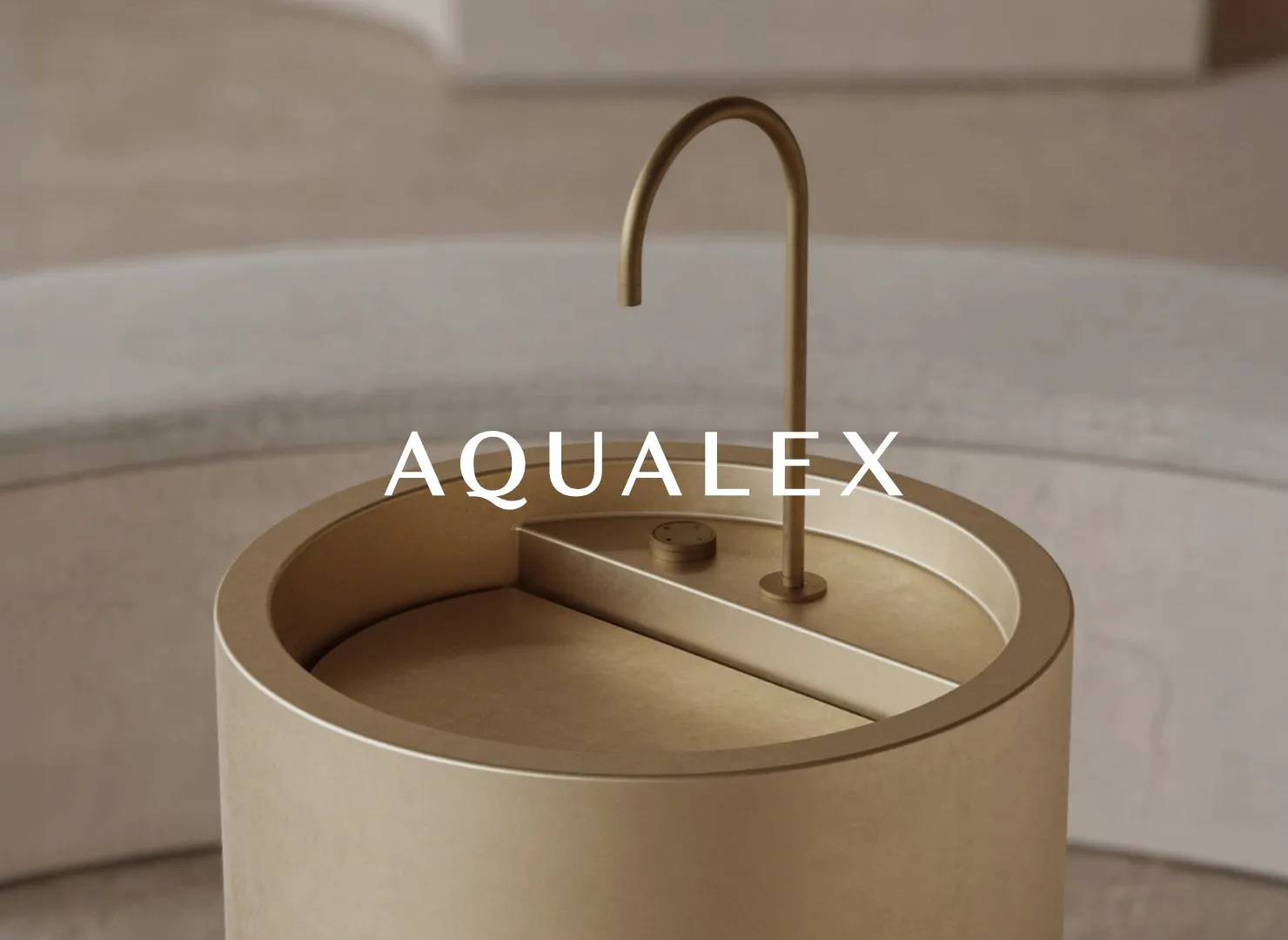
That depends on your brand architecture. A product name distinct from the company name makes sense when the product targets a different audience, carries a different promise, or needs to stand independently in the market. For Aqualex, we structured a product portfolio with clear naming roles, ensuring each brand and sub-brand served a distinct purpose. For Lotus Bakeries, we supported naming development across the product portfolio while maintaining the strength of the parent brand.
How do we apply a visual identity consistently across all channels?
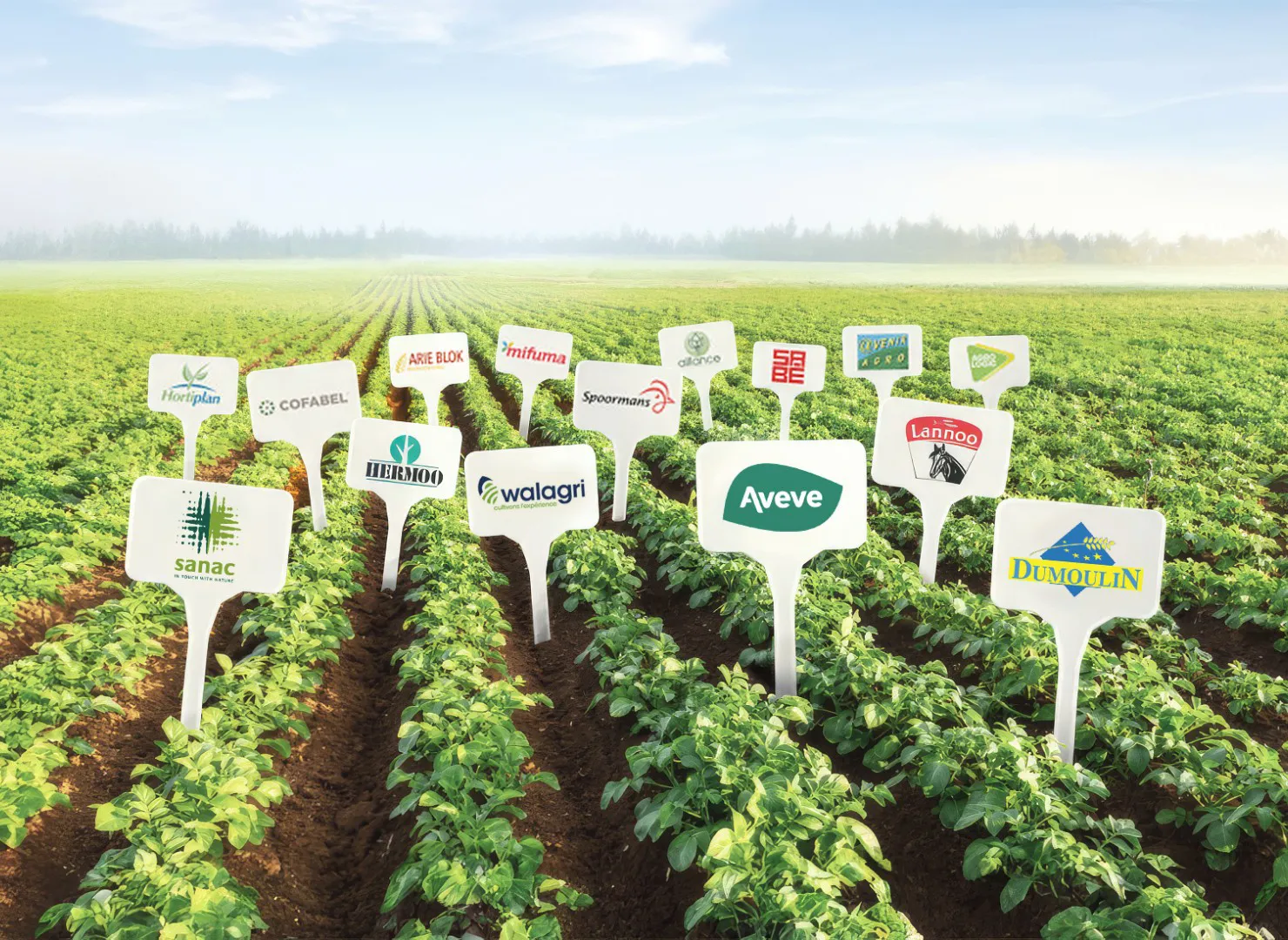
Consistency requires clear guidelines covering logo use, colour palette, typography and visual tone. These guidelines must be practical enough for internal teams and external partners to apply without supervision. For CLdN, we developed a unified brand identity and guided its rollout across all touchpoints, from containers and harbours to digital communications. For Arvesta, we created practical brand templates and guidelines that enable consistent application across a large organisation with multiple sub-brands.
What makes a brand name legally defensible?
A legally defensible name is distinctive rather than descriptive, not confusingly similar to existing registered trademarks in the relevant categories and regions, and capable of being registered in all target markets. The more distinctive the name, the stronger the legal protection. Generic or descriptive terms are difficult to protect. Coined or invented names offer the strongest legal protection. For Liantis and bnode, we developed names with high distinctiveness that could be registered and defended across multiple jurisdictions.
When do we need a new brand name vs a visual update?
A visual update refreshes how your brand looks without changing what it's called. A new brand name is needed when the existing name creates legal risk, no longer reflects the strategy, limits growth, or carries associations that cannot be overcome through design alone. After the merger of three organisations, Liantis needed a name that represented a new identity, not a refreshed version of an existing one. For Belfius, the transition from Dexia required an entirely new name to signal a new chapter and rebuild trust.
How do we develop a name that works across languages and markets?
A name that works internationally must pass three tests: strategic fit, linguistic usability and legal availability. Linguistic research examines how a name sounds, reads and translates across target languages. Cultural perception tests ensure no negative associations exist in target markets. Legal screening confirms the name is available to register. For Nalu, we developed a name that works phonetically and culturally across European and global markets. For Equitone, we combined strategic naming with cross-linguistic research to ensure the name worked in all target markets.
What are the biggest risks when choosing a brand name without legal validation?
The biggest risk is investing in a name that cannot be protected or defended. A name may sound distinctive but be too descriptive, already registered in your target markets, or confusingly similar to an existing trademark. Discovering this after launch leads to costly rebranding and potential legal disputes. At Remarkable, legal validation runs parallel with creative development, not after it. For Liantis, we screened multiple name candidates for legal availability in all relevant markets before any creative investment was finalised. For bnode, we conducted availability searches across the EU and beyond before the name was announced.




Sign up with your email and we’ll send you our latest whitepaper straight to your inbox.